Winter Warmth: Simple Habits to Protect Your Bozeman Furnace

Premier Systems
February 19, 2026

Winter in Bozeman can last a long time, and when the cold stretches on, it’s easy to feel like your furnace has to run nonstop just to keep up. But relying solely on the heat can wear out your system and leave you with higher energy bills or unexpected problems. The good news is that with a few everyday habits and consistent furnace maintenance in Bozeman, you can keep your home warm and comfortable without overworking your system.


A few small changes can go a long way during Montana winters. We know how tough the cold can be across Belgrade,
Livingston, and the surrounding areas, and taking care of your furnace while managing indoor heat more effectively can make the season a lot easier to get through.


Simple Habits That Help Keep Warm Air In


Keeping heat inside becomes just as important as producing it when temperatures drop into the single digits. When warm air escapes through small gaps and cracks, your furnace has to work harder to replace it. That creates unnecessary stress on your heating system.


There are several ways to keep the warm air where it belongs:


• Add door sweeps to the bottom of exterior doors, especially those leading outside or into an unheated garage

• Seal up any cracked window frames or under-door gaps with weather stripping

• Open blinds during sunny days to bring in natural heat, then close them tight after sundown

• Use heavy drapes to keep warmth from escaping through thinner windows

• Place area rugs over cold floors, especially on wood or tile, to add soft insulation


Even one of these steps can help. Together, they make a noticeable difference in how warm your home feels and how often your heat turns on.


Why Furnace Maintenance Matters in a Montana Winter


Montana winters can hit hard and fast, with temperatures dropping into the teens or lower by February. When that happens, your furnace becomes the heart of your home. To keep it running smoothly, regular upkeep is key.


When we talk about furnace maintenance in Bozeman, we mean careful seasonal service that catches problems before they grow. Filters need to be checked often, especially with heavy use. Dirt and dust can restrict airflow, causing the furnace to run longer and work harder than it should. Clean filters help avoid that strain.


More importantly, a full inspection keeps mechanical parts functioning as they should. That means fewer surprises on the coldest nights and more consistent indoor heat. Whether you live in Manhattan, Whitehall, or Three Forks, keeping your furnace in top shape during winter can make all the difference.


Smart Ways to Move Warm Air Around Your Home


Even if your furnace is working properly, uneven heating can leave some areas of your home feeling colder than others. Poor airflow is one hidden reason many rooms stay chilly while others feel too warm. A few smart fixes can help balance that out.


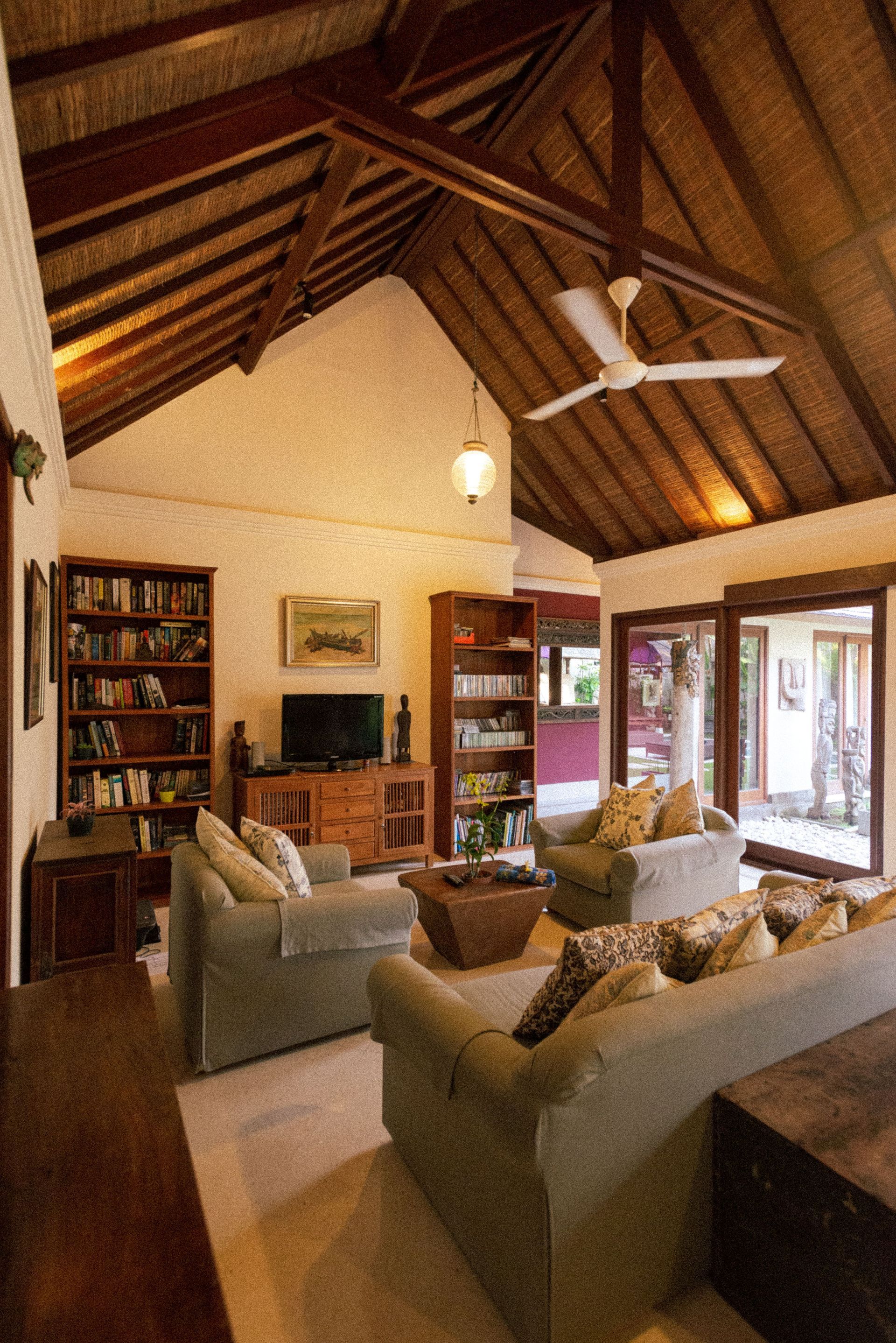
One trick many people overlook is using ceiling fans properly. Most fans have a reverse setting that turns the blades clockwise. Running the fan on a low speed in this direction pushes warm air back down into the room.


It also helps to:


• Move furniture away from vents or baseboards to allow heat to spread properly

• Check that registers are fully open and not covered by rugs or curtains

• Ask a professional to look at your airflow setup if you're noticing regular cold spots


Even with a
great furnace, your home won’t feel evenly heated unless the air is moving through every room the way it should.


Extra Help Without Extra Heat


Using extra heat sources around the house doesn’t always mean raising the thermostat. There are safe and smart ways to add warmth without overworking your furnace.


Here are some ideas that lend a hand:


• Plug in a space heater for short-term warmth in smaller areas, making sure to turn it off when not in use

• Swap out light bedding for flannel sheets or heated mattress pads during colder months

• Dress in layers indoors, especially in early mornings or late evenings

• Lower the thermostat at night to give your furnace a break and stay warm with extra blankets


These little steps don’t
replace your furnace, but they do help it take a breather when you don’t need to blast the heat. Every chance to scale back adds up over time by reducing wear.


Stay Warm Without Overworking Your Furnace


It doesn’t take a full home makeover to stay warm in winter. Small adjustments like sealing doors, reversing a ceiling fan, or using curtains correctly can have a big impact on home comfort. Combined with proper
furnace maintenance in Bozeman, these habits let your system work smarter, not harder.


When the snow piles up outside, it’s good to know you have options beyond just turning up the heat. The hardest-working home isn’t always the warmest one. Sometimes the coziest spaces come from smart planning and small daily choices that support your furnace all season long.


FAQs


What’s the best way to keep my home warm without turning up the heat?


Focus on blocking drafts, using sunlight during the day, and wearing layered clothes indoors.


Why does my furnace run all the time in the winter?


It could be a sign that your system is struggling or needs maintenance.


How often should furnace filters be checked during the winter?


Every month is a good rule of thumb, especially during heavy use.


Does regular furnace maintenance really help in winter?


Yes, furnace maintenance in Bozeman helps your system run more efficiently and prevents breakdowns.


What temperature should I keep my home at in winter to save energy?


Lowering your thermostat a few degrees at night can help save energy without losing comfort.


How do I know if heat is escaping my home?


Cold drafts, chilly rooms, and rising energy bills are all signs that heat might be leaking out.


Can ceiling fans really help in the winter?


Yes, set them to spin in reverse to gently push warm air back down.


Do curtains and rugs actually make a difference in warmth?


They help trap heat and keep cold air from sneaking into the room.


Is it safe to use space heaters as backup?


Yes, when used correctly and not left unattended, they’re best for small areas.


Should I let sunlight in during winter days?


Absolutely, natural sunlight can warm rooms without using more energy.


Staying comfortable through a Montana winter starts with small changes that make a big difference in how you care for your heating system. Regular checkups keep everything running smoothly, and a little extra attention now can help you avoid bigger problems later. If you're in Bozeman and ready to take steps to protect your furnace,
Premier Systems Heating, Air Conditioning & Boilers is here with reliable seasonal care. Learn more about what goes into quality furnace maintenance in Bozeman, and give us a call today to schedule your next visit.
June 29, 2026
Celebrate the Fourth of July Without an HVAC Emergency The Fourth of July is one of the best weekends of the summer. Whether you're hosting a backyard barbecue, heading to the lake, or relaxing with family and friends, the last thing you want is your air conditioner giving out during one of the hottest weekends of the year. At Premier Systems, we see an increase in emergency HVAC calls every summer holiday. A little preparation before the festivities begin can help keep your home cool, comfortable, and ready for guests. Give Your Air Conditioner a Quick Check Before the holiday weekend, take a few minutes to make sure your system is ready for the extra workload. A few simple things can make a big difference: Replace your air filter if it's dirty. Make sure your outdoor condenser is free of grass clippings, weeds, and debris. Check that your vents inside the home aren't blocked by furniture or rugs. Listen for unusual noises or notice if your system is taking longer than normal to cool your home. If something doesn't seem right, it's better to schedule service before the holiday rush. Expect Your AC to Work Harder Summer temperatures in Bozeman, Belgrade, Four Corners, and surrounding areas can climb quickly. Add in a house full of family, a hot oven, and people constantly opening doors, and your cooling system has to work even harder. Help your system out by: Closing blinds or curtains during the hottest part of the day. Using ceiling fans to circulate cool air. Keeping exterior doors closed as much as possible. Grilling outside instead of using the oven whenever possible. Small changes like these can reduce the strain on your air conditioner and keep everyone more comfortable. Don't Forget About Your Outdoor Unit If you're decorating for the holiday, setting up lawn games, or lighting fireworks, remember your outdoor HVAC equipment. Keep decorations, chairs, coolers, and other items several feet away from the condenser so it has room to breathe. Never place fireworks near your outdoor unit, and avoid directing sprinklers toward it for long periods of time. Protecting your equipment helps ensure it continues running efficiently throughout the holiday weekend. Is Your AC Showing Its Age? If your air conditioner is 10 to 15 years old, requires frequent repairs, or struggles to keep your home comfortable, this summer may be the right time to consider replacing it. Modern systems offer: Improved energy efficiency Lower monthly utility bills More consistent temperatures Quieter operation Greater reliability during peak summer heat Replacing your system before it fails can help you avoid the inconvenience of an unexpected breakdown during the busiest time of the season. Schedule Preventative Maintenance The best way to avoid an HVAC emergency is regular maintenance. A professional tune-up helps identify worn components, improve efficiency, and reduce the chance of costly repairs when temperatures are at their highest. If you haven't had your air conditioner serviced this year, it's not too late. Stay Cool This Fourth of July Your holiday should be spent making memories—not worrying about a hot house. Whether you need a seasonal tune-up, fast repairs, or you're considering replacing an aging air conditioner, the Premier Systems team is here to help homeowners throughout Bozeman, Belgrade, Four Corners, Livingston, Three Forks, Big Sky, and the surrounding communities. We hope you and your family have a safe, fun, and comfortable Fourth of July! Need HVAC service before the holiday? Contact Premier Systems today to schedule your appointment and enjoy peace of mind all summer long.
June 1, 2026
5 HVAC Problems Homeowners Notice During Montana's Rainy Days Rainy weather can be a welcome break from the summer heat, but it can also reveal hidden issues with your home's heating and cooling system. Increased humidity, fluctuating temperatures, and excess moisture can all impact your HVAC system's performance. If you've noticed your home feeling less comfortable during rainy weather, your HVAC system may be trying to tell you something. Here are five common HVAC problems homeowners experience during Montana's rainy days and what you can do about them. 1. Excess Indoor Humidity One of the most common complaints during rainy weather is a home that feels damp or sticky, even with the air conditioner running. Your HVAC system does more than cool the air—it also removes moisture. If your system isn't properly dehumidifying your home, indoor humidity levels can rise quickly. Signs of High Indoor Humidity: Sticky or clammy indoor air Condensation on windows Musty odors Increased allergy symptoms If your home consistently feels humid, your air conditioner may need maintenance or your system may be improperly sized for your home. 2. Musty Smells Coming from Vents Rain and humidity create the perfect environment for mold and mildew growth. If you notice a musty odor when your HVAC system turns on, moisture may be collecting somewhere in the system. Common causes include: Dirty evaporator coils Clogged condensate drains Mold growth in ductwork Excess moisture around the air handler Ignoring these odors can lead to reduced indoor air quality and potential health concerns for your family. 3. Reduced Airflow Rainy weather can expose airflow issues that may have gone unnoticed during drier conditions. Dirty air filters, clogged coils, or ductwork problems can restrict airflow and make it harder for your system to maintain comfortable temperatures. Watch for: Weak airflow from vents Rooms that won't cool evenly Longer run times Higher energy bills A professional HVAC inspection can quickly identify and resolve airflow problems before they become major repairs. 4. Water Leaks Around Your HVAC Equipment Many homeowners are surprised to find water pooling near their indoor HVAC unit during rainy periods. While it may seem like rainwater is entering the system, the issue is often related to a clogged condensate drain line. Your air conditioner removes moisture from the air, and that water needs somewhere to go. When drain lines become blocked, water can back up and leak around your equipment. Don't ignore water around your HVAC system. Left untreated, it can damage flooring, walls, and even the unit itself. 5. Thermostat and Electrical Issues Heavy rainstorms can sometimes cause power fluctuations that affect HVAC controls. If your thermostat isn't responding properly or your system cycles on and off unexpectedly after a storm, electrical components may have been affected. Common warning signs include: Blank thermostat screens Inconsistent temperatures System short cycling Failure to start If you notice these symptoms after severe weather, it's best to have a technician inspect the system to prevent further damage. Keep Your HVAC System Ready for Any Weather Montana's weather can change quickly, and your HVAC system needs to be ready for everything from summer rainstorms to humid days and temperature swings. Regular maintenance helps identify small problems before they become expensive repairs. A seasonal HVAC tune-up can: Improve system efficiency Reduce humidity issues Prevent unexpected breakdowns Extend equipment life Improve indoor air quality Schedule Your HVAC Inspection Today If you've noticed musty odors, humidity problems, weak airflow, or water leaks during recent rainy weather, don't wait for the problem to get worse. Our experienced technicians can diagnose the issue and help keep your home comfortable no matter what the forecast brings. Contact us today to schedule your HVAC inspection and ensure your system is ready for Montana's changing weather.
May 26, 2026
Why Your House Feels Humid Even With the AC Running
May 20, 2026
5 Signs Your AC Won’t Survive the Summer
May 11, 2026
Why Spring Is the Best Time to Replace Your A/C
April 28, 2026
Wildfire season has become an increasingly common part of life in Southwest Montana, especially for homeowners in Bozeman, Belgrade, and Four Corners. While the smoky haze outside is easy to see, what’s happening inside your home is often less obvious. Many people assume that simply closing windows and doors will keep them safe—but wildfire smoke can still enter your home and impact your indoor air quality (IAQ) in ways that affect both comfort and health. Why Wildfire Smoke Indoors Is a Serious IAQ Concern Wildfire smoke is made up of extremely fine particles called PM2.5, which are small enough to pass through tiny openings and even some standard HVAC filters. Once inside your home, these particles can circulate through your ductwork and linger in the air. For homeowners in our area, poor indoor air quality during wildfire season can lead to: Coughing, sneezing, and throat irritation Headaches and fatigue Aggravated asthma or allergies Increased strain on your HVAC system Without proper filtration and system maintenance, your home’s air may not be as clean as you think. How Smoke Affects Your HVAC System Your HVAC system plays a major role in managing your indoor air quality —especially during wildfire events. When smoke enters your home, your system can either help remove harmful particles or unintentionally spread them throughout your space. If your system isn’t equipped with the right components, you may experience: Reduced filtration of fine smoke particles Dirty ductwork circulating contaminants Increased wear and tear on system components Decreased efficiency and airflow This is why homeowners across Bozeman and Belgrade are upgrading their systems to better handle wildfire smoke conditions. HVAC Solutions to Improve Indoor Air Quality During Wildfire Season The most effective way to protect your home’s air is through professional HVAC solutions designed specifically for indoor air quality in Four Corners, Belgrade, and Bozeman. Upgrade to HEPA or High-Efficiency Filters Standard filters aren’t designed to capture the smallest smoke particles. Upgrading to HEPA filters or high-MERV rated filters allows your system to trap significantly more airborne contaminants, improving your IAQ immediately. Install Whole-Home Air Purification Systems Advanced air purification systems integrate directly into your HVAC system to continuously clean the air as it circulates. These systems are especially effective during wildfire season when outdoor air quality is poor for extended periods. Add an Air Scrubber Air scrubbers go beyond traditional filtration by actively removing pollutants, odors, and particles from the air and surfaces in your home. This added layer of protection can make a noticeable difference in homes affected by wildfire smoke. Schedule Professional Duct Cleaning If smoke has entered your home, particles can settle inside your ductwork. Duct cleaning removes built-up contaminants and prevents them from being recirculated, helping restore cleaner air throughout your home. Keep Up with HVAC Tune-Ups Regular HVAC tune-ups ensure your system is running efficiently and filtering air properly. During wildfire season, a well-maintained system is critical for maintaining healthy indoor air quality. Long-Term Protection for Homes in Bozeman, Belgrade & Four Corners Wildfire smoke isn’t just a temporary inconvenience—it’s an ongoing challenge for homeowners in Southwest Montana. Investing in indoor air quality solutions through your HVAC system provides long-term protection for your home and your family. By combining: High-efficiency filtration Whole-home air purification Air scrubbers Clean ductwork Routine system maintenance …you can significantly reduce the impact of wildfire smoke indoors. Breathe Easier with the Right HVAC Support Your home should be a place where you can escape poor outdoor air—not bring it inside. With the right HVAC upgrades and maintenance, you can take control of your indoor air quality in Bozeman, Belgrade, and Four Corners, even during the peak of wildfire season. If you’re noticing smoke lingering in your home or want to prepare ahead of time, working with a trusted HVAC professional can help you choose the best solutions for cleaner, healthier air. Cleaner indoor air starts with the right system—and the right team behind it.
thermostat
By U. Baid February 27, 2026
Cut energy use and boost comfort this winter with a WiFi thermostat. Get remote control, smart scheduling, and faster heating where it matters most.
mini split ac
By U. Baid February 27, 2026
Learn how mini split installation in Bozeman gives you zoned comfort, quiet operation, and better energy use, no matter what Montana’s weather brings.
furnace
By U. Baid February 19, 2026
Stay warm through winter with helpful tips on furnace maintenance in Bozeman to prevent breakdowns and keep your heating system running smoothly.
ac unit
By U. Baid February 18, 2026
Keep your cooling system reliable with air conditioner maintenance tips for Bozeman homeowners, including filter checks, coil cleaning, and tune-ups.