Can AC Units Cause Carbon Monoxide Poisoning? What Helena, MT Homeowners Must Know

Premier Systems
July 19, 2024

Carbon monoxide leaks can be particularly dangerous because they are difficult to detect and can go unnoticed. As such, homeowners in Helena, MT, need to be aware of appliances in their homes that create carbon monoxide. To that end, the team at Premier Systems is here to answer the question, "Can AC units cause carbon monoxide poisoning?"


Contact our expert team at Premier Systems today to speak to our HVAC contractors in Helena, MT.


What Is Carbon Monoxide Poisoning?

According to the CDC, carbon monoxide poisoning affects more than 100,000 Americans every year. Carbon monoxide exposure causes severe health problems and can be potentially fatal in high concentrations. Carbon monoxide is particularly dangerous because it is a colorless, odorless gas, which makes it hard to detect without special equipment. Some of the most common symptoms of carbon monoxide poisoning include:


  • Memory problems
  • Difficulty concentrating
  • Shortness of breath
  • Fatigue
  • Chest pain
  • Headaches
  • Nausea


Before reading further, if you suspect you have a carbon monoxide leak, contact emergency services as soon as possible to assess the situation. Carbon monoxide poisoning can cause permanent health issues, and you should not take the risk. 


Can AC Units Cause Carbon Monoxide Poisoning?

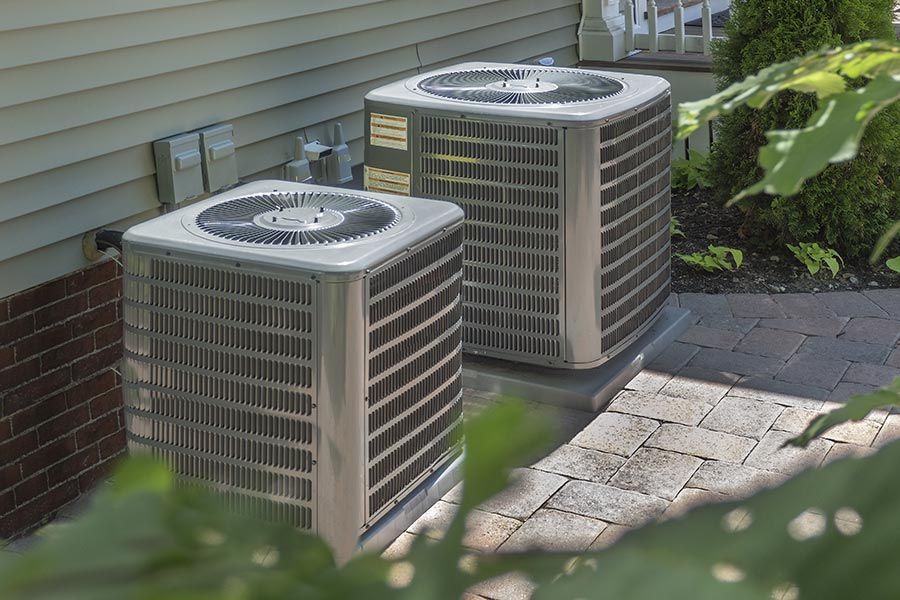
So, can AC units cause carbon monoxide poisoning? The good news is, no, they cannot. Carbon monoxide in homes is most often a result of burning natural gas or propane. Modern air conditioners do not run on gas and instead use electricity, so they won’t create carbon monoxide (or carbon dioxide, for that matter). 


However, modern gas furnaces can create carbon monoxide. One way to tell your furnace might be producing carbon monoxide is by looking at the pilot light. Under normal conditions, the pilot light should be blue. If the pilot light is yellow or orange, it means the combustion reaction is incomplete and might be creating carbon monoxide.


What Other Appliances Can Create Carbon Monoxide?


Any other appliance that burns gas or wood can create carbon monoxide under the right conditions, including but not limited to:


  • Furnaces
  • Stoves
  • Water heaters
  • Washer/Dryers
  • Fireplaces
  • Boilers


Carbon monoxide can also enter your home from outdoor sources, such as propane grills and wood burners. Unfortunately, most residential-quality air filters are unable to filter carbon monoxide or carbon dioxide from the atmosphere because the molecules are too small. Most homes in Helena, MT, use some kind of gas appliances, so homeowners need to be aware of the risk of carbon monoxide poisoning. 


Can Air Conditioners Produce Other Harmful Gasses?

So, AC units cannot cause carbon monoxide poisoning, but do they produce other harmful gasses?


The answer is no. Under normal operation, your AC won’t produce any harmful vapors. The only gas by-products air conditioners create are hot air and water vapor, both of which pose no health risks. 


However, air conditioners can leak Freon gas if their coolant lines are damaged. Freon leaks can cause similar symptoms to carbon monoxide poisoning, such as cognitive difficulties or respiratory distress. Like carbon monoxide, Freon is naturally colorless and odorless, but manufacturers often add colored dyes and artificial scents to help detect leaks. 


Preventing Carbon Monoxide Poisoning

Carbon monoxide poisoning is relatively rare, but you should take proactive steps to reduce the risks. You can help safeguard against carbon monoxide poisoning by following these tips from our professionals: 


  • Make sure there is a carbon monoxide detector on each floor of your home, including any basements or garages. You should also change all detector batteries once every six months. 
  • Try not to use gas-burning appliances inside if possible. You can also replace gas appliances like stoves or water heaters with electric versions to eliminate emissions.
  • Get regular furnace and HVAC maintenance. Maintenance not only prevents carbon monoxide leaks but will also improve your system's energy efficiency in general.
  • Consider getting a professional indoor air quality assessment. Technicians can measure the amount of ambient carbon monoxide and provide recommendations to reduce concentrations. 


If one of your detectors goes off, don’t panic. You should first turn off any gas lines and exit your home. Then, call a professional to identify and fix the issue. 


5-Star HVAC & Indoor Air Quality Services in Helena, MT

Read our blog to learn more about energy consumption by an old AC unit. If you have any more questions like “Can AC units cause carbon monoxide poisoning?” contact the professionals at Premier Systems online or call (406) 351-6585 to schedule an appointment in Helena, MT!

April 28, 2026
Wildfire season has become an increasingly common part of life in Southwest Montana, especially for homeowners in Bozeman, Belgrade, and Four Corners. While the smoky haze outside is easy to see, what’s happening inside your home is often less obvious. Many people assume that simply closing windows and doors will keep them safe—but wildfire smoke can still enter your home and impact your indoor air quality (IAQ) in ways that affect both comfort and health. Why Wildfire Smoke Indoors Is a Serious IAQ Concern Wildfire smoke is made up of extremely fine particles called PM2.5, which are small enough to pass through tiny openings and even some standard HVAC filters. Once inside your home, these particles can circulate through your ductwork and linger in the air. For homeowners in our area, poor indoor air quality during wildfire season can lead to: Coughing, sneezing, and throat irritation Headaches and fatigue Aggravated asthma or allergies Increased strain on your HVAC system Without proper filtration and system maintenance, your home’s air may not be as clean as you think. How Smoke Affects Your HVAC System Your HVAC system plays a major role in managing your indoor air quality —especially during wildfire events. When smoke enters your home, your system can either help remove harmful particles or unintentionally spread them throughout your space. If your system isn’t equipped with the right components, you may experience: Reduced filtration of fine smoke particles Dirty ductwork circulating contaminants Increased wear and tear on system components Decreased efficiency and airflow This is why homeowners across Bozeman and Belgrade are upgrading their systems to better handle wildfire smoke conditions. HVAC Solutions to Improve Indoor Air Quality During Wildfire Season The most effective way to protect your home’s air is through professional HVAC solutions designed specifically for indoor air quality in Four Corners, Belgrade, and Bozeman. Upgrade to HEPA or High-Efficiency Filters Standard filters aren’t designed to capture the smallest smoke particles. Upgrading to HEPA filters or high-MERV rated filters allows your system to trap significantly more airborne contaminants, improving your IAQ immediately. Install Whole-Home Air Purification Systems Advanced air purification systems integrate directly into your HVAC system to continuously clean the air as it circulates. These systems are especially effective during wildfire season when outdoor air quality is poor for extended periods. Add an Air Scrubber Air scrubbers go beyond traditional filtration by actively removing pollutants, odors, and particles from the air and surfaces in your home. This added layer of protection can make a noticeable difference in homes affected by wildfire smoke. Schedule Professional Duct Cleaning If smoke has entered your home, particles can settle inside your ductwork. Duct cleaning removes built-up contaminants and prevents them from being recirculated, helping restore cleaner air throughout your home. Keep Up with HVAC Tune-Ups Regular HVAC tune-ups ensure your system is running efficiently and filtering air properly. During wildfire season, a well-maintained system is critical for maintaining healthy indoor air quality. Long-Term Protection for Homes in Bozeman, Belgrade & Four Corners Wildfire smoke isn’t just a temporary inconvenience—it’s an ongoing challenge for homeowners in Southwest Montana. Investing in indoor air quality solutions through your HVAC system provides long-term protection for your home and your family. By combining: High-efficiency filtration Whole-home air purification Air scrubbers Clean ductwork Routine system maintenance …you can significantly reduce the impact of wildfire smoke indoors. Breathe Easier with the Right HVAC Support Your home should be a place where you can escape poor outdoor air—not bring it inside. With the right HVAC upgrades and maintenance, you can take control of your indoor air quality in Bozeman, Belgrade, and Four Corners, even during the peak of wildfire season. If you’re noticing smoke lingering in your home or want to prepare ahead of time, working with a trusted HVAC professional can help you choose the best solutions for cleaner, healthier air. Cleaner indoor air starts with the right system—and the right team behind it.
thermostat
By U. Baid February 27, 2026
Cut energy use and boost comfort this winter with a WiFi thermostat. Get remote control, smart scheduling, and faster heating where it matters most.
mini split ac
By U. Baid February 27, 2026
Learn how mini split installation in Bozeman gives you zoned comfort, quiet operation, and better energy use, no matter what Montana’s weather brings.
furnace
By U. Baid February 19, 2026
Stay warm through winter with helpful tips on furnace maintenance in Bozeman to prevent breakdowns and keep your heating system running smoothly.
furnace
By U. Baid February 19, 2026
Keep your home cozy with simple habits and proper furnace maintenance in Bozeman. Learn ways to stay warm without stressing your heating system.
ac unit
By U. Baid February 18, 2026
Keep your cooling system reliable with air conditioner maintenance tips for Bozeman homeowners, including filter checks, coil cleaning, and tune-ups.
ac coils
By U. Baid February 18, 2026
Learn the best method for cleaning AC coils, plus safety tips, tools, and maintenance steps to improve performance.
ac maintenance
By U. Baid February 18, 2026
Learn how often to schedule air conditioner maintenance, what to expect from seasonal tune-ups, and tips to keep your home cooling reliable in MT.
ac tune up
By U. Baid February 18, 2026
Learn what an AC tune-up includes, from safety checks to performance testing, to keep your system efficient and reliable in Gallatin Valley homes.
furnace replacement
By U. Baid February 12, 2026
Learn how to spot signs of heating trouble this winter and decide if a furnace replacement in Bozeman is the right move to keep your home warm.