Cold Mornings, Warm Afternoons: Fall HVAC Tips for Bozeman
Cold Mornings, Warm Afternoons: Managing Montana’s Fall Temperature Swings
Fall in southwest Montana rarely arrives all at once. One morning may feel cold enough to turn on the furnace, while the afternoon has you opening windows or thinking about the air conditioner again.
That is exactly what this week’s forecast looks like. As of September 14, the National Weather Service is forecasting a low near 37°F in Bozeman Monday night, followed by a high near 72°F Tuesday. Belgrade is expected to fall to around 34°F before warming into the low 70s. Higher-elevation areas such as Big Sky may experience even colder mornings.
These large temperature swings are normal for the season, but they can make it difficult to keep your home comfortable without constantly adjusting the thermostat. Here are a few ways to help your HVAC system handle the transition efficiently.
Avoid Constantly Switching Between Heating and Cooling
When the house feels cold in the morning and warm in the afternoon, it can be tempting to switch repeatedly between your furnace and air conditioner.
Instead, choose a comfortable heating temperature for the morning and allow the outdoor temperature to warm the home naturally later in the day. Opening blinds on sunny windows can provide free warmth during cooler mornings. Close them again if direct afternoon sunlight begins overheating the house.
If your thermostat has an automatic heating and cooling mode, make sure there is a reasonable gap between the two settings. A very narrow temperature range can cause the system to switch back and forth more often than necessary.
Do Not Crank Up the Thermostat
Setting the thermostat to 80°F will not make your furnace or boiler warm the house faster. It simply tells the system to keep running until the home reaches that higher temperature.
Choose the temperature you actually want and give the system time to reach it. If your home takes an unusually long time to warm up, heats unevenly or never reaches the thermostat setting, there may be an airflow, control or equipment issue that needs attention.
Test Your Heating System Before the First Real Cold Snap
Even if you only need heat for an hour in the morning, early fall is a good time to test your furnace or boiler.
Let the system complete a full heating cycle and pay attention to:
- Unusual banging, rattling or squealing
- Burning odors that continue after the first few minutes
- Rooms that remain noticeably colder than others
- A furnace that starts and stops repeatedly
- A boiler that is leaking, making unusual noises or struggling to heat evenly
- A thermostat that does not match how the room feels
A brief dusty smell can be normal the first time a furnace runs after summer. A strong electrical, plastic or fuel-related odor is different—turn the system off and contact an HVAC professional.
Testing the system now gives you time to address a problem before a colder Montana morning makes heat essential.
Check the Air Filter and Keep Vents Open
Your HVAC system needs steady airflow whether it is heating or cooling. A dirty filter can restrict that airflow, reduce comfort and make the equipment work harder.
Check the filter now, especially if your system ran frequently during the summer or your home was exposed to wildfire smoke, construction dust or pet hair. Replace it when it is visibly dirty or according to the manufacturer’s recommendation.
Also make sure supply vents and return grilles are not blocked by furniture, rugs or boxes. Closing several vents usually does not save energy and may create unwanted pressure within the ductwork.
Pay Attention to Indoor Humidity
As colder weather settles in and heating systems begin running more regularly, indoor air can become noticeably drier. Dry air may contribute to static electricity, dry skin and irritated noses or throats.
A whole-home humidifier can add controlled moisture through the HVAC system, but it should be adjusted according to outdoor conditions. Too much indoor humidity can lead to condensation on windows and other moisture problems.
If you already have a humidifier, now is a good time to inspect its water panel, drain and controls. If you do not have one, Premier Systems can help determine whether a whole-home humidifier makes sense for your home.
Do Not Seal Up the Outdoor Air Conditioner
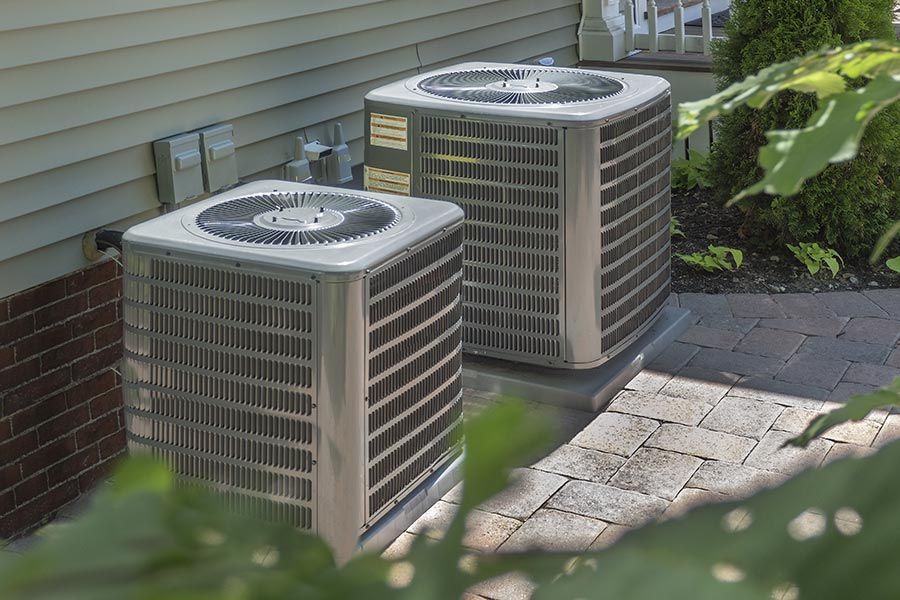
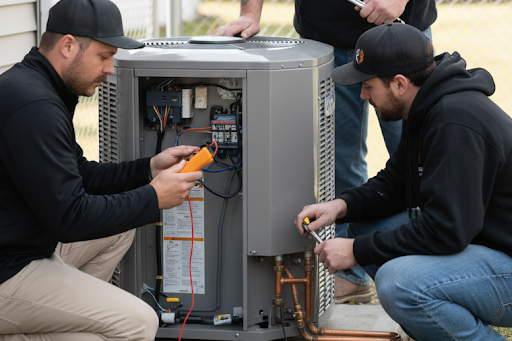
Once cooling season ends, remove leaves, grass and other debris from around the outdoor air conditioner. Maintain clear space around the unit so moisture and debris do not become trapped against it.
Avoid wrapping the entire unit tightly in plastic. A full cover can hold moisture inside and create a sheltered place for rodents. If protection is needed, a manufacturer-approved top cover is generally a better option.
Use Fall to Learn How Your Home Behaves
Seasonal transitions can reveal comfort problems that are harder to notice during steady weather. One room may warm quickly in the morning while another stays cold. An upper floor may become too warm during sunny afternoons even though the main level feels comfortable.
These patterns can point to ductwork, insulation, thermostat placement or airflow issues—not necessarily a problem with the furnace or air conditioner itself. Keep track of when and where discomfort occurs. Those details can make an HVAC evaluation much more useful.
Prepare Now for a More Comfortable Heating Season
Whether you live in Bozeman, Big Sky, Belgrade, Manhattan, Three Forks or Ennis, fall weather can move quickly from mild afternoons to freezing nights. A little preparation now can help your furnace, boiler and other comfort equipment handle the transition smoothly.
If your home is heating unevenly, your system is making unusual noises or you would like help preparing for colder weather, contact Premier Systems at 406-351-6585 or visit premiersystemsmt.com.