When to Turn On a Humidifier in Bozeman
Is It Time to Turn On Your Whole-Home Humidifier?
Southwest Montana is settling into that in-between season when the answer is not always obvious. Your furnace or boiler may run during a chilly morning, but the house can feel warm again by the afternoon.
The forecast for the week of September 21 shows just how different fall can feel across our service area. Bozeman is expected to reach the 70s most of the week, including a forecast high near 80°F on Thursday. Big Sky will remain cooler, with mornings dipping into the upper 30s and low 40s.
So, should your whole-home humidifier be running already?
The short answer: watch the humidity inside your home instead of relying on the calendar.
What Happens to Indoor Humidity During Heating Season?
Cold outdoor air holds less moisture than warm air. When that colder air enters your home and is heated by a furnace or boiler, the relative humidity inside can drop.
That is why a home may begin feeling dry as soon as the heating system starts running regularly—even if winter has not officially arrived.
Common signs of dry indoor air include:
- Frequent static electricity
- Dry skin, lips, eyes or throat
- Wood floors or furniture beginning to shrink or separate
- A home that feels cooler than the thermostat setting
- Indoor humidity consistently reading below the desired range
These signs do not automatically mean you need more humidity, but they are a good reason to check the actual level.
Measure First, Then Adjust
An inexpensive digital hygrometer can tell you the relative humidity in your home. Some thermostats and whole-home humidifier controls also display this information.
The Environmental Protection Agency recommends keeping indoor humidity below 60% and ideally between 30% and 50%. During a cold Montana winter, the comfortable and practical setting may need to be toward the lower end of that range to prevent moisture from collecting on cold surfaces.
Check the humidity in a central living area rather than directly beside a bathroom, kitchen, humidifier supply vent or exterior door. It can also help to check more than one floor if your home has noticeable temperature differences.
If the reading consistently drops below about 30%, it may be time to begin using your whole-home humidifier. If humidity remains comfortable without it, there is no need to add moisture simply because fall has arrived.
Start With a Conservative Setting
More humidity is not always better.
Begin with a moderate setting and allow the system time to operate before making another adjustment. Humidity changes more slowly than temperature, so turning the control up sharply can add too much moisture before you notice the results.
The appropriate setting depends on several factors:
- Outdoor temperature
- The age and construction of your home
- Window quality
- Air leakage
- The number of people living in the home
- Everyday activities such as cooking and showering
Homes in Bozeman, Belgrade, Manhattan and Three Forks may need different settings than homes in colder, higher-elevation areas such as Big Sky. Ennis homeowners may also experience dry conditions and colder nights earlier than other parts of the region.
Watch the Windows
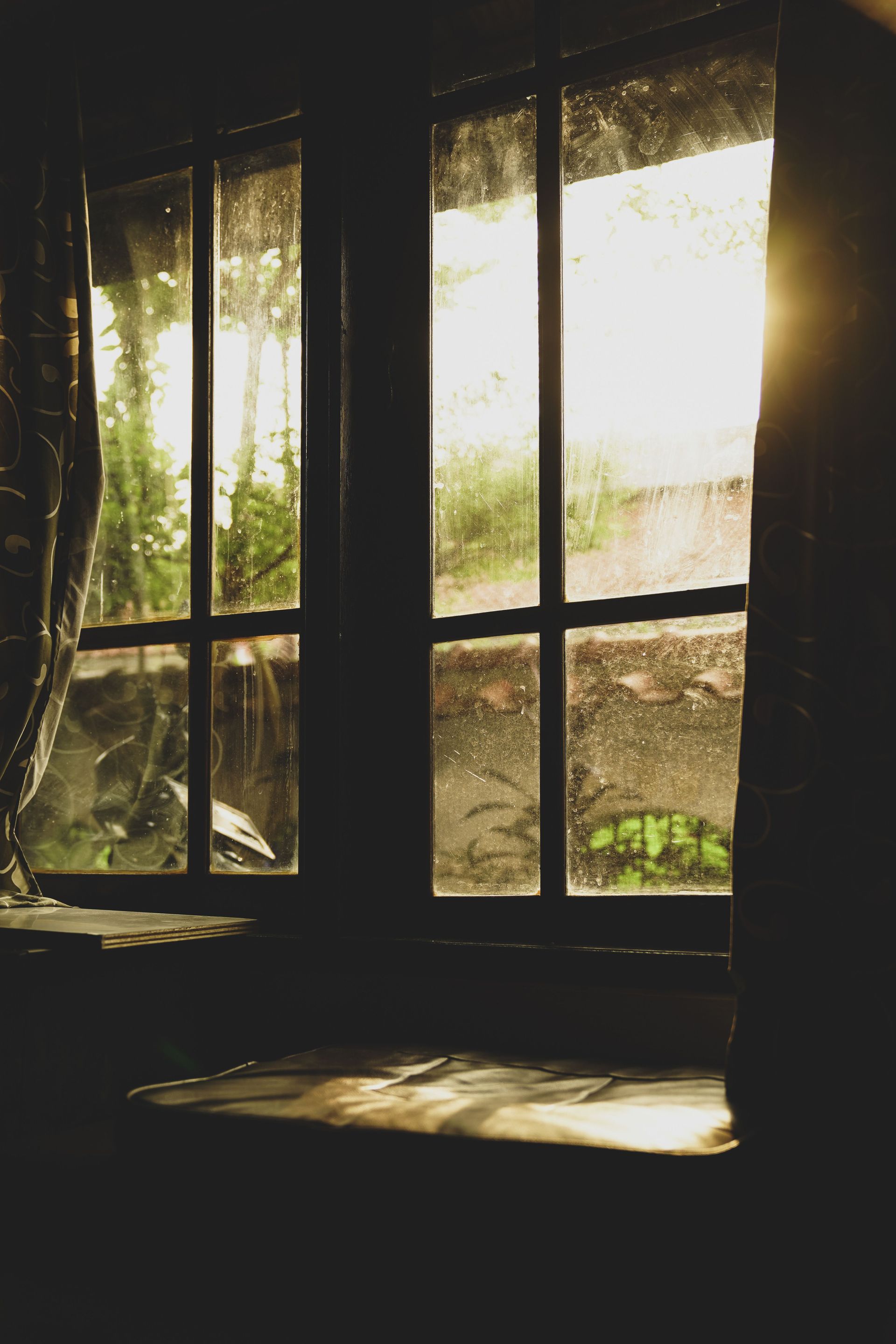
Your windows can provide an early warning that the humidifier is set too high.
A small amount of temporary moisture near the edge of a window during extremely cold weather can occur, but regular condensation, water running down the glass or dampness around the frame should not be ignored. It can indicate that the indoor humidity is too high for the outdoor temperature or that another moisture issue is present.
If you notice condensation:
- Lower the humidifier setting.
- Use kitchen and bathroom exhaust fans when producing moisture.
- Make sure the dryer vents outdoors.
- Check that the humidifier is shutting off correctly.
- Look for plumbing leaks or other moisture sources.
Persistent moisture can damage window frames and nearby materials, so it is worth addressing early.
Inspect the Humidifier Before Using It
A whole-home humidifier should be checked before another heating season. Depending on the style of equipment, basic preparation may include:
- Replacing or cleaning the water panel
- Opening the water-supply valve
- Checking the drain hose for cracks, clogs or loose connections
- Confirming that the damper is in its winter position
- Inspecting for mineral buildup
- Testing the humidistat or thermostat controls
- Watching for leaks while the unit operates
Do not reuse a heavily scaled or dirty water panel to save a little time. Mineral buildup can reduce water distribution and affect how well the humidifier performs.
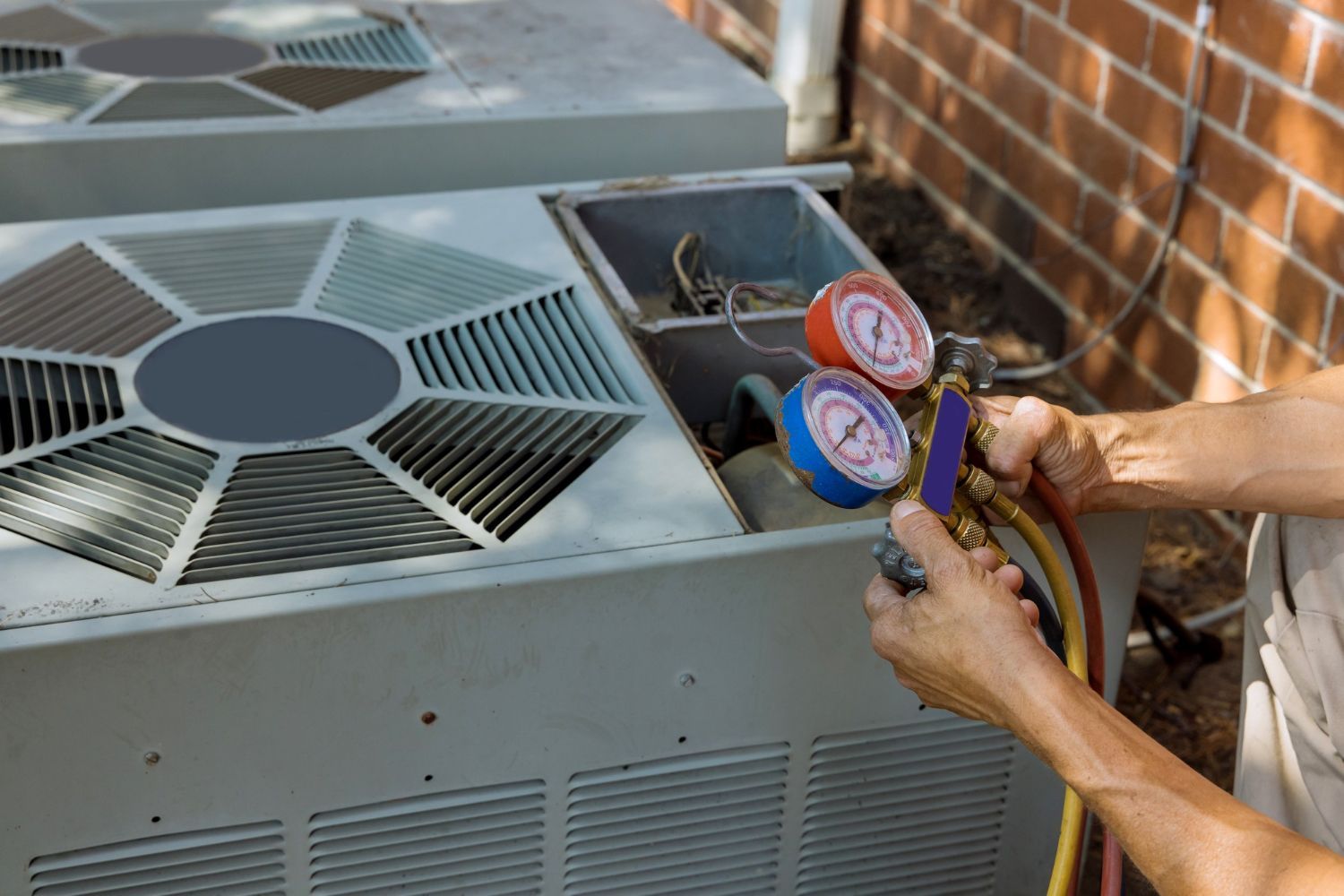
If you are unsure how your specific model should be prepared, check its manual or have it inspected by an HVAC professional.
What If Your Home Is Still Dry?
If the humidifier is running but the indoor humidity remains low, turning it to the highest setting may not solve the underlying problem.
The issue could be:
- A clogged water panel
- A closed or restricted water line
- A blocked drain
- A humidifier that is not receiving a call to operate
- An improperly positioned bypass damper
- Excessive air leakage in the home
- Equipment that is not sized appropriately for the house
The amount of time your furnace runs also matters. Many whole-home humidifiers operate only during a heating cycle. During a mild week, the system may not run long enough to add much moisture—even when the humidifier itself is working correctly.
Get Ready Before the Dry Weather Arrives
Warm afternoons may stick around a little longer, but colder mornings are already becoming more common across southwest Montana. This is a good time to inspect your humidifier, replace its water panel and make sure it is ready without automatically turning it all the way up.
Premier Systems can inspect existing whole-home humidifiers, troubleshoot systems that are not working correctly and help homeowners determine whether adding a humidifier makes sense for their home.
For service in Bozeman, Big Sky, Belgrade, Manhattan, Three Forks or Ennis, call 406-599-8083