Your Comprehensive HVAC Tune-up Checklist
When you call in an experienced and qualified maintenance technician for regular maintenance, you should be able to count on them to be conscientious and attentive to detail. Expect them to do more than eyeball the system and top off the refrigerant. They should operate based on an HVAC tune-up checklist.
Did you know that HVAC systems last longer and run better if you schedule regular maintenance in the spring and fall? An HVAC system that can cope with each season will suffer less wear, last longer, and allow you to approach summer and winter with confidence.
Technicians might use a different checklist for winter and summer tune-ups. Winterizing your HVAC system will help your furnace run more efficiently and protect your air conditioner from the effects of winter. Cleaning your air conditioner in the spring will keep your energy bills down in the summer.
Premier Systems, the trusted company for furnace and air conditioner repair in Bozeman, MT, want you to know how a regular tune-up can help you get the most out of your HVAC system.
The Benefits of an HVAC Tune-up
An HVAC system should last many years with proper maintenance. Having a professional check on your HVAC system will keep it ready for extreme weather, reducing your costs and giving your family year-round comfort. If you rent out your property or if you run a business, regular HVAC tune-ups let you deliver consistent climate control to your tenants, employees, and customers.
Elements of a Professional HVAC Tune-up
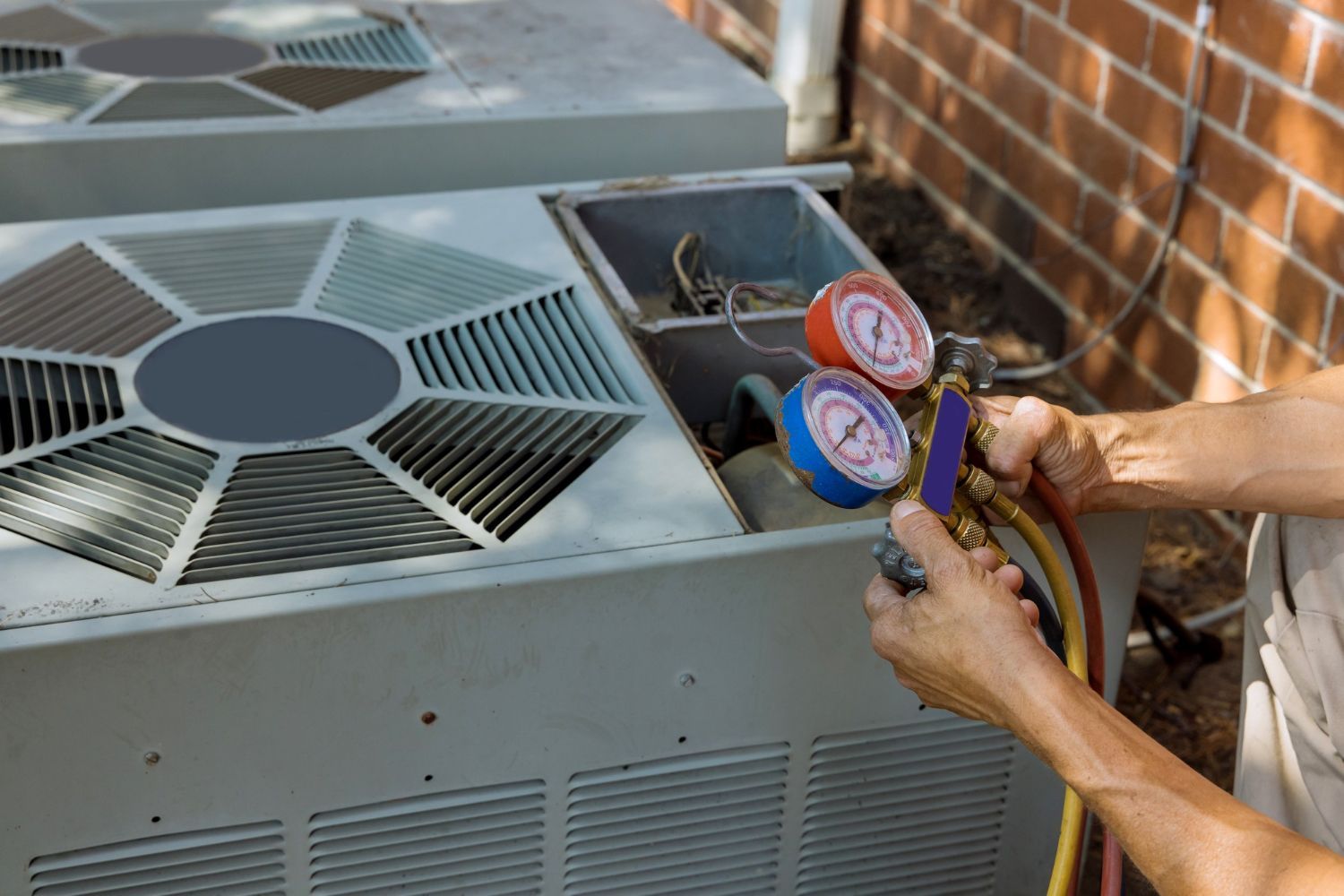
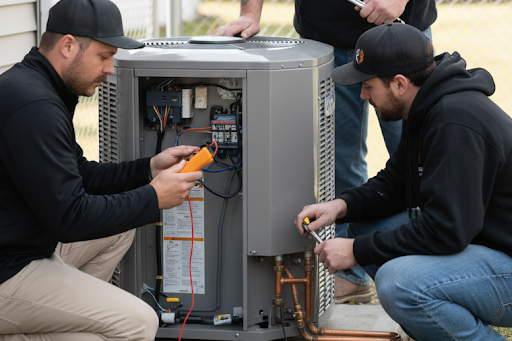
When you call a professional HVAC technician, they will arrive with diagnostic equipment, coolant, a vacuum, cleaning equipment, and an HVAC tune-up checklist of tasks to complete before they sign off on your tune-up.
Inspection
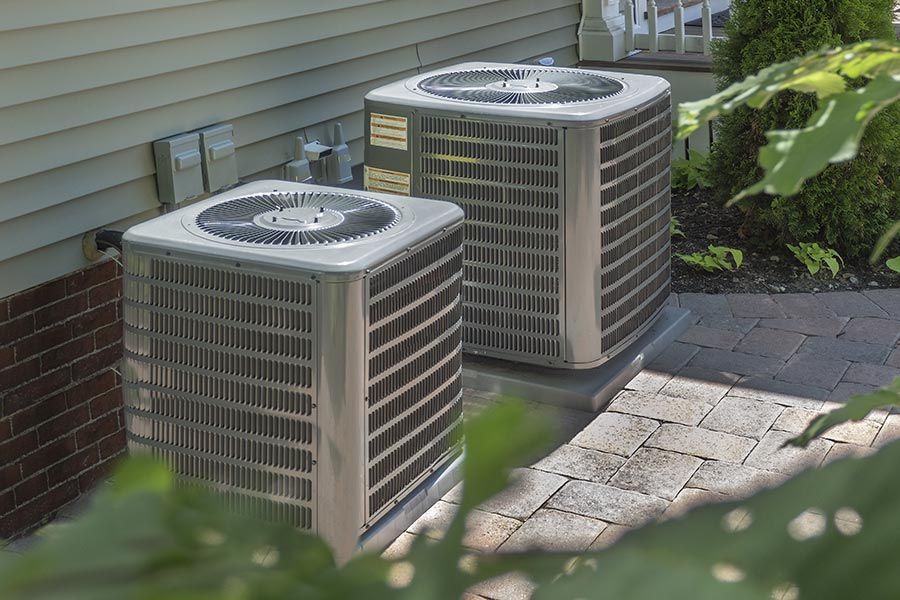
Your HVAC technician will examine each part of the air conditioning, including the evaporator coils, condenser coils, refrigerant piping, and electrical system.
The technician will inspect the combustion chamber, pilot light, and other components of the furnace, including any valves. The heat exchanger is a crucial component of the heating system that protects you from toxic gases that the furnace produces when it burns fuel. The technician will check the heat exchanger for potentially dangerous leaks.
Lastly, the technician will look at the ventilation and ductwork for the system as a whole. They will check the vents for obstructions and patch or replace any cracked or damaged ductwork.
Cleaning
Many parts of the HVAC system accumulate dust, pollen, and other air contaminants during normal operation. Your HVAC technician will clean or replace air filters as needed and remove dust from the ductwork. Neglecting these parts of the system could make the air conditioner less efficient, lead to more frequent repairs, and reduce air quality.
Lubrication and Testing of the Blower Motor
The blower motor circulates air through the house, allowing the air conditioner and furnace to operate effectively and improving airflow. The technician will lubricate the motor, check the belt, and test the motor to make sure that it has no mechanical problems.
Checking Electrical Components
HVAC systems depend on electrical circuitry to detect the temperature, control the thermostat, and power essential components of the heating and air conditioning systems. In smart HVAC systems, the electrical system enables Wi-Fi connectivity and remote operation.
Your technician will replace frayed wires, check the electrical connections, and tighten them needed.
Measuring Air Quality
Your HVAC technician will note any unusual odors that could be signs of mold, inefficient combustion, a faulty heat exchanger, or other heating and cooling problems. As one of the most critical parts of the HVAC tune-up checklist, the technician will check the carbon monoxide levels.
Checking Refrigerant Levels
Refrigerant is a crucial chemical for air conditioning systems. It expands to absorb heat from inside the home and condenses outside the home to release heat into the outside air. If your cooling system is working normally, the refrigerant should remain within the refrigerant piping. Low refrigerant means that the manufacturer did not put in enough refrigerant or you have a refrigerant leak.
Checking Safety Controls
The safety systems on your HVAC system can give you an early warning that something is wrong or shut down the system if there is a dangerous fault. Malfunctioning safety controls can cause the system to behave erratically even if it is in good operating condition. The HVAC technician will check for safety issues and look for problems with safety valves and circuitry.
Discussion and Walk-through
Once the technician completes the HVAC tune-up checklist, they will discuss the results with you and outline any maintenance tasks they performed. If any service, such as a deep-cleaning of the AC filters, involves an additional charge, the technician should be upfront about pricing and allow you to decide what services you want.
If the technician recommends repairing or replacing any HVAC components, they will explain why and give you a chance to make an informed decision before proceeding. Often, the technician will have replacement parts on hand so they can fix your furnace or AC on the same visit.
Do You Need an HVAC Tune-up?
Even if you scheduled maintenance this year, you might benefit from an additional service call to check on any new issues. Call Premier Systems if:
- Your air conditioner is not keeping your home cool.
- Your furnace is not warming your home.
- Air is not flowing well through your ductwork.
- Your HVAC system makes unusual noises.
- You notice a change in air quality, such as smells or dust in the air.
Schedule Professional Maintenance by Premier Systems in Bozeman, MT
Choose a company with expertise and attention to detail for regular HVAC maintenance. Premier Systems is renowned for its comprehensive professional heating and cooling services.
Discover everything Premier Systems offers, including the services on the HVAC tune-up checklist, and learn more about our air compressor replacement services. Ask about financing and maintenance plan options.
It’s never too late to protect your investment in your home’s climate control system. Call
406 599-8083 to speak with a Premier Systems representative about essential preventive maintenance.