Seven Signs of a Freon Leak That You Should Not Ignore
Freon leaks are exceedingly common and can have numerous adverse effects on your air conditioner and the environment. That’s why it’s critical to identify refrigerant leaks as soon as possible to prevent them from spiraling out of control.
Many Montana residents don’t know what to look for when they suspect their air conditioner suffers from a Freon leak. The heating and cooling specialists at Premier Systems have put together this list of the most common signs of Freon leaks. We’ll help you resolve the issues before they worsen.
Premier Systems is one of Montana's most trusted heating and air conditioning companies. Our team has extensive experience maintaining and repairing all the leading HVAC systems from the biggest names in the industry. If you need a reliable air conditioner repair contractor in Montana, contact Premier Systems.
Most Common Signs of a Freon Leak
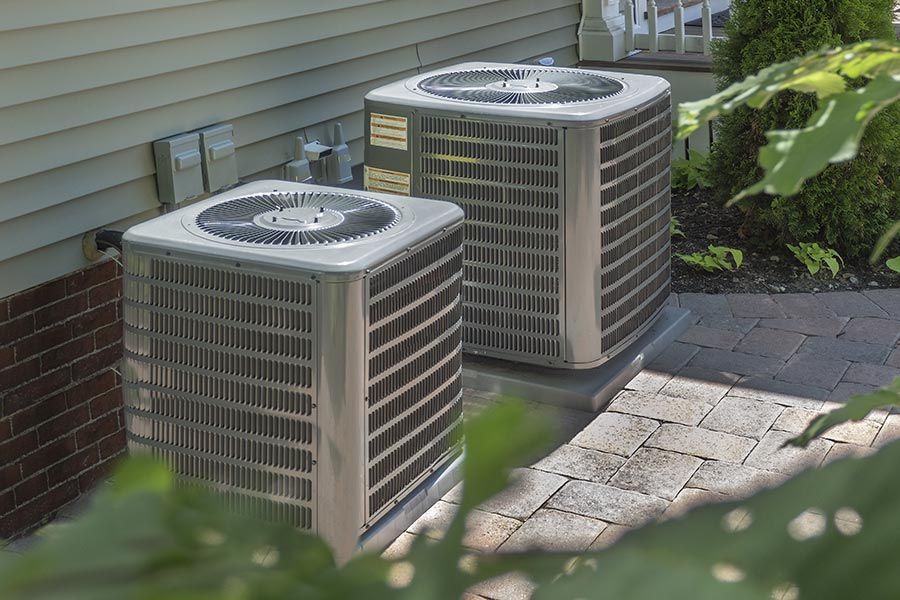
Refrigerant, also called Freon, is your air conditioner’s lifeblood. In the air conditioning process, Freon cools the air before the AC unit transfers it to your home. Without Freon, your air conditioning system can’t generate chilled air, leaving your home uncomfortable during hot summer months.
Freon leaks can cause your air conditioning unit to break down prematurely. They significantly hinder the system’s efficiency, longevity, integrity, and more while causing your electricity payments to soar. They can also negatively impact the environment, increasing your carbon footprint.
It’s essential to know the prevalent signs of Freon leaks so you can quickly resolve them. Below are some of the most common indications of a Freon leak.
1. Frozen Evaporator Coils
Evaporator coils absorb heat within your air conditioner and allow the unit to generate chilled air efficiency. When Freon runs low or a leak occurs, the evaporator coils freeze and prevent the system from producing conditioned air. Although frozen coils might seem trivial at first, they can cause numerous issues that demand costly repairs.
Frozen evaporator coils are relatively easy to identify since ice crystals engulf them and typically drip from the unit. If you notice frozen evaporator coils or water pooling around the AC unit, contact Premier Systems. We will refill the Freon and resolve any other issues plaguing the system.
2. Hissing or Gurgling Sounds Coming from the Air Conditioner
Most Freon leaks occur when the unit’s coils that distribute the refrigerant crack or fissure. The damaged coils often produce an unusual hissing or gurgling sound during system operation, signifying a Freon leak.
Hissing noises tend to indicate a small leak, while gurgling sounds signify a major leak. It’s best to contact a professional heating and cooling company as soon as the unit begins to hiss. Doing so will prevent the leaks from worsening.
3. The Air Conditioner Stops Producing Cool Air
Freon helps air conditioners generate cold air so your home stays cool and comfortable during hot weather. If the AC unit doesn’t have enough Freon, the air conditioner can’t produce chilled air.
If your air conditioner stops cooling your home but continues operating, you likely have a refrigerant leak or need to refill the Freon. Always check your unit’s refrigerant levels if your air conditioning system stops producing cold air. Although other issues can cause your system to stop conditioning air, low refrigerant is the primary cause.
4. A Sudden Spike in Electricity Bills
Freon leaks put excessive stress on air conditioners. A leak requires an AC to work harder to maintain a comfortable room temperature, significantly increasing energy consumption. The elevated energy demand skyrockets your energy bills, costing you hundreds over time.
If you see a sudden increase in your monthly energy payments, always contact a professional heating and cooling company. They can evaluate your unit for refrigerant leaks.
5. Elongated Cooling Cycles
Functional air conditioners have short cooling cycles and can cool a home relatively quickly. AC units with Freon leaks often have elongated cooling cycles and take much longer to chill a home. The extended cooling cycles are incredibly frustrating, leaving your home cold and uncomfortable for longer periods of time.
If your air conditioner takes longer to cool your home, it likely suffers from a Freon leak. Repairing the refrigerant leak will restore your unit’s cycling time and make it easier to condition your home.
6. Increased Humidity
Air conditioners do more than produce chilled air. They remove hot, dense air from your home and convert it into light, chilled air.
Freon leaks prevent the air conditioner from withdrawing warm, muggy air from your home. As a result, you’ll notice a significant increase in your residence’s humidity levels.
Excessive indoor humidity makes your home more prone to mold and mildew growth. Bacteria like mold thrive in humid environments and can cause numerous health problems, including but not limited to:
- Coughing
- Wheezing
- Watery eyes
- Runny nose
- Difficulty breathing
- Headache
- Fatigue
Repairing the Freon leak and refilling the air conditioner’s refrigerant will enable it to remove humid air more efficiently. You’ll protect your home from mold, mildew, and other hazardous bacteria.
7. The Air Smells Like Exhaust
Freon is a toxic chemical that produces a foul-smelling odor similar to exhaust. This substance is exceedingly dangerous, causing brain damage and even death in severe overexposure cases.
Air conditioners with significant Freon leaks often release fumes into the air and your home, which can severely impact your indoor air quality. If your home smells like exhaust or chemicals, evacuate your home and contact a professional heating and cooling service immediately. A technician will assess your air conditioner and fix the leak, ensuring your home’s indoor air is safe to breathe.
The Premier Systems team offers 24/7 emergency services to repair your Freon leak swiftly.
Contact Premier Systems for High-Quality Air Conditioning Repair Services in Montana
Premier Systems is Montana’s number-one refrigerant leak repair service. Our team will teach you the most common signs of a Freon leak so you can resolve the issue before it adversely affects your home.
Call us today at
(406) 823-3602 to learn what the Premier Systems team can do for you!