How Water Heater Services Keep Bozeman Homes Warm
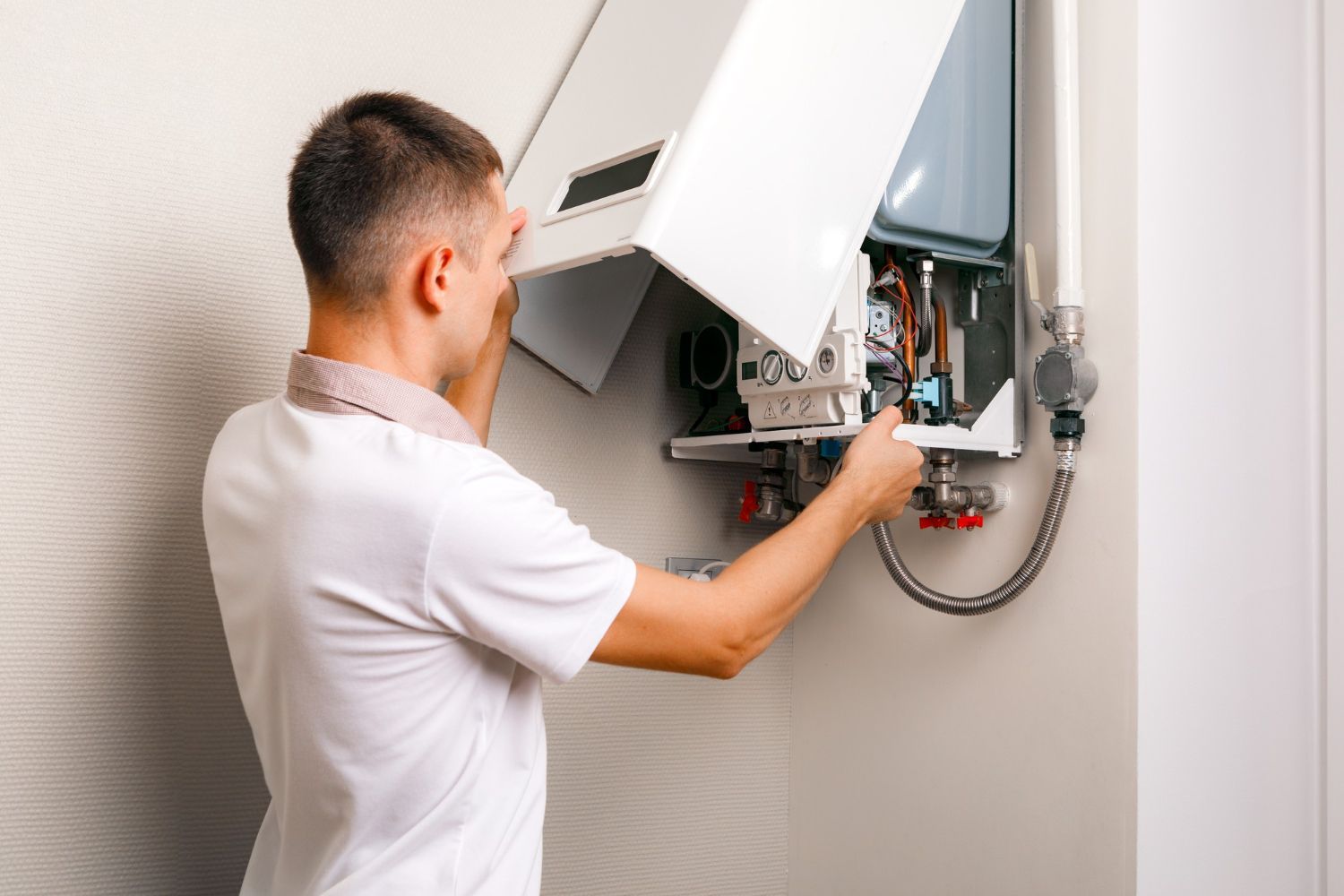
Bozeman winters are no joke. When the temperatures drop and snow sets in, we count on more than just blankets and fireplaces to keep our homes livable. One of the unsung heroes in this season is the water heater. It’s easy to take hot water for granted, right up until it disappears, usually when you need it most. That’s why professional water heater services in Bozeman make all the difference during long, cold months. They help keep everything running quietly in the background so life at home doesn’t get interrupted by cold showers or heating hiccups.
Why Hot Water Matters More in Cold Weather
Winter changes how much hot water we use and how fast we use it. Long showers feel better when it's freezing out. Washing thicker clothes, running the dishwasher more often, and sometimes even using water heaters as part of home heating setups can push these systems harder than usual.
That’s where things start to build up. The colder your incoming water is, the more work a heater has to do to bring it up to temperature. That means longer run times and more stress on old or under-maintained systems.
Here’s what hot water supports during winter:
• Comfort: Warm baths and showers feel even more important when there’s snow on the ground
• Cleanliness: Laundry and dishes usually pile up faster when more people are indoors
• Home heating: Some homes rely on water heaters within radiant or
hydronic heating systems
All of this puts added pressure on water heaters at precisely the time we need them most.
Common Winter Water Heater Problems in Bozeman
Colder months bring out the weak spots in a water heater system. If it hasn’t been serviced in a while, you’re more likely to run into trouble when winter digs in. Common issues include:
• Slower recovery times (meaning it takes longer to get hot water back after use)
• Sediment buildup, which affects both water quality and system performance
• Frozen or partially blocked pipes when temperatures hit single digits
We’ve seen how sediment builds up faster when heaters run more often. That layer of mineral gunk at the bottom of a tank can affect heating efficiency. It also forces the system to work harder, which can accelerate wear and shorten the unit’s lifespan.
Frozen lines are another seasonal risk in
areas such as Bozeman, Belgrade, and Livingston. A little ice in the wrong spot can keep you from getting hot water at all and may even damage equipment. These are the kinds of issues a quick look-over in warmer months might not catch, but they matter when it’s zero degrees outside.
How Regular Water Heater Services Help
A water heater doesn’t need much, just the right kind of attention at the right time. Routine services, like flushing the tank or checking the heating elements, don’t take long but go a long way in preventing the kinds of winter issues that leave you stuck.
We usually recommend having the system checked before the cold weather settles in, but even midwinter service helps. These simple steps make a significant impact:
• Flushing sediment to keep water clean and heater parts working properly
• Checking temperature settings based on water heater temperature safety guidelines
• Inspecting and testing elements, anode rods, and lines for wear or failure
Spotting minor issues early, whether it’s rust starting to show up, a fitting getting loose, or signs of burning around wiring, can help avoid full shutoffs or worse mid-season. It’s less about repair and more about staying one step ahead.
Repair or Replace? Knowing What Your Water Heater Needs
Sometimes a fix isn’t the answer. If the unit is more than 10 years old or shows signs of consistent trouble, it might be time to discuss replacement. Some signs aren’t always obvious, but a few we look for include:
• Rusty or discolored water
• Noisy operation or banging sounds from the tank
• Uneven water temperatures even after basic service
• Signs of a small leak or water pooling around the unit
Frequent repairs within a short time frame suggest a system that may no longer keep up, especially during cold months. Upgrading can seem like a big step, but it’s often more reliable and more energy-saving than nursing a tired system through another winter. Understanding
water heater efficiency and maintenance options helps you plan better for the long haul.
Keeping Winter Living Simple and Warm
We’ve worked through enough Montana winters to know how quickly a minor issue can feel big once the snow piles up. Water heaters don’t grab attention until something goes wrong, but keeping them reliable is one of the easiest ways to make winter living smoother.
When heating services or water heater setups are done right, you barely think about them. Hot water shows up when you need it. Your showers stay warm, your laundry gets done, and even if there’s a storm outside, the inside stays steady and calm. Regular care, especially during the lead-up to winter, makes a big difference for comfort, safety, and peace of mind. The fewer surprises your water heater throws your way, the better your season will go.
FAQs
What happens if my water heater stops working in winter?
You’ll likely lose hot water completely, which can quickly disrupt daily routines. In freezing areas, it might even cause pipe damage.
How do I know if my water heater is failing?
Look for rusty water, strange noises, slow heat recovery, or leaks around the base. These are signs that something isn’t working right.
How often should I get my water heater serviced?
We recommend it once a year, ideally before winter starts. A professional check helps it run better through the cold.
Can water heaters freeze in Montana winters?
Yes, pipes can freeze if not insulated properly or if there’s poor circulation. This can block the flow or damage the lines.
Should I repair or replace my old water heater?
If it’s over 10 years old and breaks often, replacement might make more sense. A technician can help decide.
Why does hot water run out faster in winter?
The system has to work harder to heat colder incoming water. Extra use during colder months can also strain the tank.
What kind of maintenance does a water heater need?
Flushing sediment, inspecting parts, and checking connections or safety features all help it run smoothly.
Can sediment buildup cause problems?
Yes. It lowers efficiency and can damage parts over time. Cleaning it out keeps the water hotter and cleaner.
Does my water heater affect my heating system?
In some setups, yes: radiant or combined systems use hot water to heat the home. A faulty unit can impact room warmth, too.
Conclusion
Ensure your home stays cozy all winter long with professional water heater services in Bozeman. At
Premier Systems Heating, Air Conditioning & Boilers, we understand the importance of a functioning water heater during those chilly months. Our expert team is ready to keep your system running smoothly, preventing unexpected cold showers and improving energy efficiency. Let us help you enjoy a truly comfortable winter by
scheduling your
service today.