Understanding Heat Pump Installation for Bozeman Winters
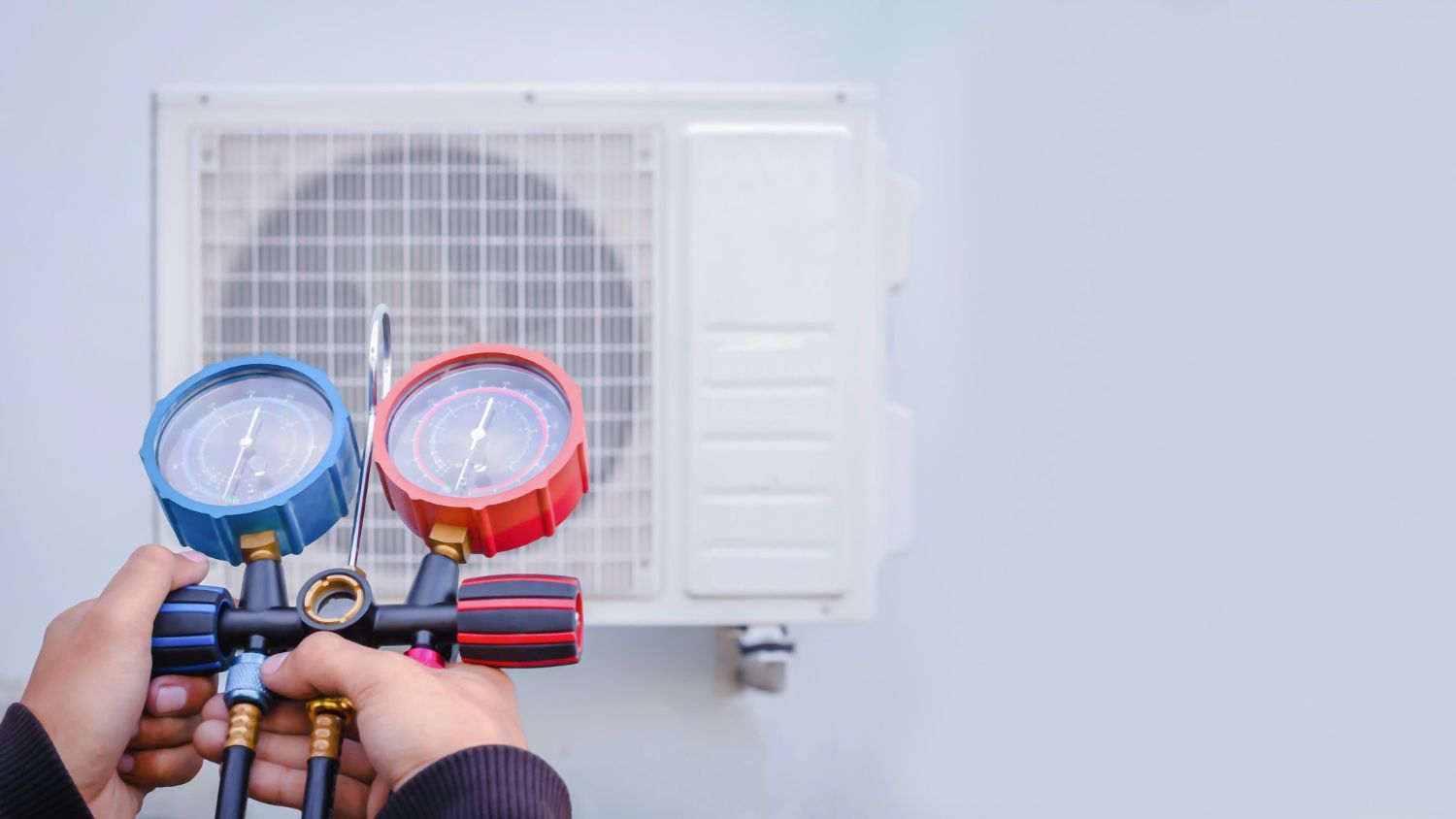
Bozeman winters don’t mess around. Between snow-packed evenings and weeks of below-freezing temps, it’s clear your heating system needs to be reliable and ready, no matter the weather. That’s where heat pumps come in. If you’ve heard of them and wondered whether they actually work in places like Montana, the answer is yes, especially with the proper setup.
Heat pump installation in Bozeman can be a smart way to stay warm during the bitter cold while still keeping your home cool once summer hits. Let’s look at how they work and why they’ve become a solid option for many homeowners in our area.
What Is a Heat Pump and How Does It Work?
A heat pump moves air from one place to another. In colder months, it pulls heat from the outdoor air and moves it into your home. In warmer months, it flips the process, pulling heat from inside and pushing it outside. So, you get both heating and cooling from one system.
There are two main types:
• Air-source heat pumps:
These are the most common and work by pulling heat from the outside air, even when it’s cold out.
• Ground-source heat pumps: These draw heat from the earth, using underground pipes to tap into steady ground temperatures. They're more involved to install, but can be very efficient.
Even in freezing weather, today’s cold-climate heat pumps can still work. That’s a key reason they’ve gained attention in cities like Bozeman and nearby towns such as Livingston and Manhattan, where winter really digs in. For more technical info, the Department of Energy breaks down
heat pump efficiency and performance for different models.
Why Heat Pumps Make Sense in Bozeman Winters
Montana households often face long, drawn-out winters. The more efficient your heating system, the better off you’ll be, both for indoor comfort and energy savings. Heat pumps, especially newer models made for cold climates, use less electricity to keep your space warm. They’re built to run longer at low temps without needing backup heat, which reduces strain and wear.
We also like how heat pumps create even heating. No blast of hot air, no cold spots. They cycle gently and more often, which means your space stays steady and easier to live in. And since these systems help manage humidity and filter air as they go, indoor air feels fresher, especially helpful during winter months when homes are sealed tight. To make your home even healthier, you can pair your system with indoor air quality solutions that provide additional protection against dust, allergens, and dry air.
What to Expect During a Heat Pump Installation
Getting a heat pump installed usually takes a day or two, depending on the home setup. We start by removing your old system, if needed, and making sure there's enough space for both the indoor and outdoor units. Ground-source systems take longer because they use underground piping, but most homes in Bozeman that install air-source heat pumps see faster installations.
Here’s how things usually go:
1. Check your home’s heating and cooling needs to find the right size
2. Make space indoors and outdoors for the new equipment
3. Install and connect the system, test it, and walk through how it works
Proper sizing is one of the most critical steps. Bozeman’s weather doesn’t leave room for guessing. If the unit is too small, it won’t keep up in the middle of winter. If it’s too big, it may cycle on and off too often, causing wear and higher bills.
Choosing the Right System and Installer
Not all heat pumps are made the same. Picking the right one depends on your home’s layout, square footage, insulation, and what kind of winter performance you expect. That’s why it’s so helpful to work with someone who understands local conditions. We know what Bozeman, Belgrade, and Big Sky winters bring, and we know how to match systems to handle that. If you're unsure where to start, check out this guide on
choosing the right heat pump for your climate.
Working with a pro who focuses on heat pump installation means fewer surprises and better results. Installation quality has a significant impact on how well your system runs once it’s in place. Mistakes in wiring, placement, or airflow can reduce efficiency and make the system work harder than it should. That’s why we always take time to get it right from the start.
Maintaining Your Heat Pump Through Winter
Once your system is in, keeping it in shape is pretty simple if you stay ahead of it. Regular checkups, especially before winter, can extend its life and improve performance. A winter-ready maintenance plan should include:
• Checking refrigerant levels
• Cleaning coils and filters
• Clearing debris from the outdoor unit
• Making sure fan motors and wiring are working well
We usually recommend one full inspection per year, ideally in the fall before heavy snow starts. Catching minor issues early, such as airflow problems or coil buildup, can keep your system running smoothly during the coldest months.
Making Winter More Comfortable the Smart Way
Heat pump systems work well in our part of Montana when installed and maintained correctly.
From Bozeman to Three Forks or even up toward Townsend and Whitehall, we’ve seen how they hold up through real winters. Combined heating and cooling means fewer systems to service, and smooth, even temperatures mean your home feels comfortable without the ups and downs of older equipment.
Reliable heat doesn’t need to be loud, patchy, or wasteful. With proper heat pump installation in Bozeman, the system operates quietly in the background while your home stays warm. With tech that works through snow and cold, and a plan that starts before the snow falls, a heat pump might be the smartest change you make for your home this season. For more scientific background on how these systems perform in sub-zero settings, you can explore recent cold climate heat pump research from national labs.
FAQs
What is a heat pump, and how does it work?
A heat pump moves heat into your home during winter and pulls heat out in summer. It works using electricity and is an all-in-one system for year-round comfort.
Can a heat pump handle Bozeman’s cold winters?
Yes. Modern heat pumps can still operate in freezing temperatures and are built to withstand cold climates like Bozeman’s.
What happens during a heat pump installation?
A technician removes the old system if needed, sets up the new unit, and ensures it's sized correctly for your space. The install usually takes a day or two.
How do I choose the right heat pump for my home?
Work with a certified HVAC pro who can assess your home’s size, layout, and needs. They’ll suggest the best model for Bozeman's weather.
Is a heat pump energy-efficient in Montana?
Yes. Heat pumps use less energy than many traditional systems, especially if properly installed and maintained.
Do I still need a backup heat source with a heat pump?
Some homes use a backup system when it gets extremely cold. A HVAC pro can help determine if you need that for your setup.
How often should I get my heat pump serviced?
At least once a year, preferably before winter starts. Regular tune-ups help it run better and catch issues early.
Will a heat pump lower my energy bills?
It can, especially if you’re switching from an older, less efficient system. Savings depend on your home, usage, and the efficiency of the new system.
Is a heat pump safe to use in winter?
Yes. Heat pumps are safe for indoor use and don’t burn fuel, so they don’t create carbon monoxide.
What makes heat pump installation in Bozeman different?
Bozeman’s freezing temps and snowy conditions mean you need a properly sized, cold-climate-rated system installed by someone who understands local weather.
Conclusion
Ensure your home is prepared for Bozeman's challenging winters with top-notch heat pump installation in Bozeman from
Premier Systems Heating, Air Conditioning & Boilers. Our expert team will help you select the perfect system for your home, ensuring reliable performance and energy efficiency year-round. Partner with us for a seamless installation experience and enjoy a comfortable, worry-free winter with technology built to withstand Montana's unpredictable weather.
Contact us today to get started on making your home more energy-efficient and comfortable.