How to Choose the Right Heat Pump for Your Climate
Types of Heat Pumps and How They Perform in Different Climates
There are many variants of heat pump installation available in the market. Each one of them works better in different weather. Here’s a simple breakdown.
1. Air-Source Pumps
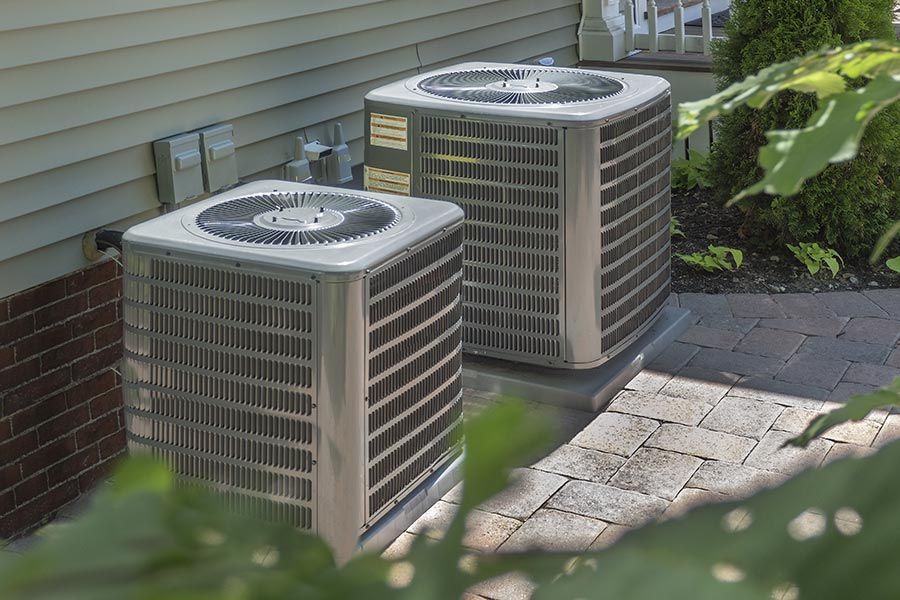
The most common type is air-source pumps, which are suitable for areas with mild winters. They extract the outside air heat. When it’s not too cold, they work very well and are great energy-efficient heat pumps. However, at freezing temperatures, they become ineffective and might require auxiliary heat.
2. Ground-Source (Geothermal)
Ground-source systems make use of ground heat. Geothermal heating pumps can operate in nearly any climate because the ground remains at a constant temperature year-round. They are expensive initially, but save energy in the long run. They work well in very hot or very cold regions.
3. Dual-Fuel Pumps
The dual-fuel system uses an air-source pump plus a gas or propane furnace. The heating pump works when it’s mild outside. When temperatures drop too low, the furnace turns on. This is a wise choice for places with big seasonal swings. It provides steady comfort and can reduce the need for heat pump repairs.
Climate Zones and the Best System for Each
Every region has its own weather challenges. This is how to select the best heat pump for cold/warm climate conditions.
Warm or Mild Climates
States that experience warm summers and mild winters (such as the South) are well-suited to air-source heat pump systems. They cool down sufficiently, warm up efficiently, and consume little energy.
Very Cold Climates
Places with long winters need something more substantial. Geothermal or cold-climate air-source heating pumps are the best match. Dual-fuel systems also work well here. In colder mountain regions like Bozeman, MT, cold-climate air-source or geothermal heat pumps often deliver the best year-round performance.
Mixed-Weather Regions
If your location experiences hot summers and cold winters, you will need to select a system that handles both. Dual-fuel heating pumps perform well in this.
Here is a simple math: If you live in a warm area, select an effective air-source system. Or if you are in a cold area, select a geothermal or cold-climate model. If you choose the right one, you will never have any problems like why is your heat pump blowing cold air in heating mode, or anything like that.
Key Things to Check Before Picking a Heating Pump
As per professional residential HVAC installation tips, choosing the right system is not just about the weather. Your home also plays a big part.
1. Know Your Local Temperatures
Look at how hot your summers get and how cold your winters are. Extreme cold may require systems designed for harsher climates. This helps you understand which type of heating pump works best for your weather.
2. Look at Your Home’s Insulation
Sound insulation means your heating pump does not have to work as hard. If your home leaks air, even the best system will struggle. This makes sure your home keeps the warm or cool air inside.
3. Get a Professional Load Calculation
Never guess the size. A pro will measure your home, check airflow, and recommend the right system. This follows every heat pump sizing guide. An oversized unit wastes money. An undersized unit can’t keep up. This step helps you avoid picking a system that is too big or too small.
4. Check SEER2 and HSPF2 Ratings
As per Energy Star, aim for a high 15.2 SEER2 and 8.1+ HSPF2, which are best for maximizing savings and qualifying for incentives across varying climates, but higher is better in cold regions. This helps you choose a heating pump that uses less energy.
5. Think About Installation and Long-Term Costs
A cheaper system may cost more over time if it’s not efficient. Geothermal requires more initial investment but could save in the long run. This will give you the actual long-term cost of the system, not the initial cost.
Final Thoughts
Choosing the right heat pump is all about understanding your weather, your home, and your budget. When the three things are in balance, your system performs better, lasts longer, and keeps your home comfortable all year round. And if you are unsure, consult an HVAC expert who can explain the options and help you choose the most suitable one for your climate.
If still confused, contact our experts at Premier Systems Heating, Air Conditioning & Boilers now. We have a trained and experienced team that will pause to understand all your needs thoroughly. After that, we will suggest a system that not only makes your home cozy but also provides consistent comfort without surging your energy bills.
Book our HVAC services in Bozeman, MT online now!