Guide to Furnace Installation in Bozeman New Homes
Weather plays a big role in the way new homes are built here in Bozeman. With long, snowy winters and cold air arriving as early as October, heating needs to be part of the conversation from the start. A trusted setup doesn’t just happen at the flip of a switch. It comes from building smart, and that includes choosing, sizing, and placing the right furnace before the rest of the house takes shape.
Thinking through
furnace installation in Bozeman means planning ahead at every step. From how cold it gets to how your home is designed, every detail helps your heating system do its job when it matters most. This guide can help lay out what’s involved, what to expect, and how to avoid common surprises.
Choosing the Right Furnace for a New Home
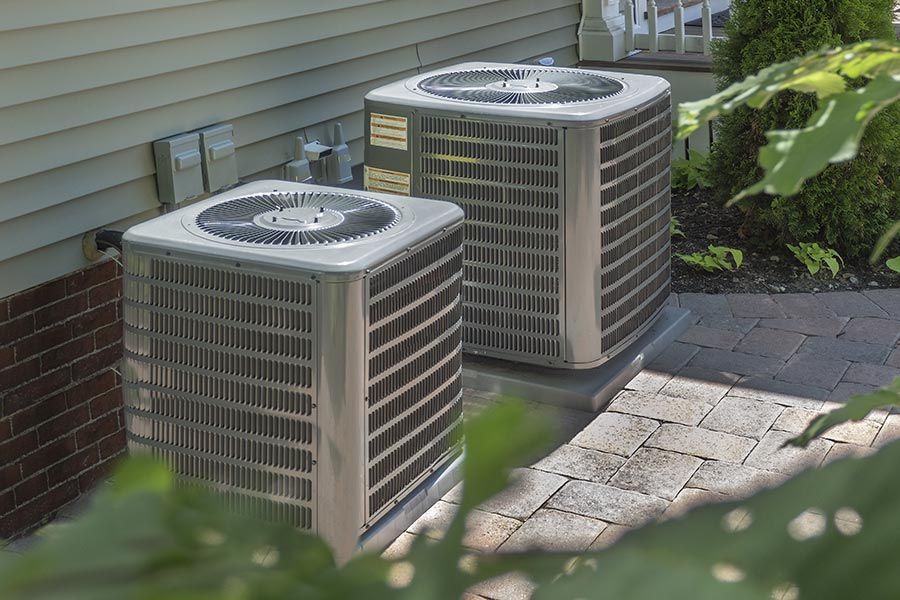
Before anything is installed, the big decision is which furnace will work best for your space. Each type, gas, electric, or propane, has its strengths, but not every option is a fit for every home. Bozeman winters bring deep freezes and heavy snow, which means fuel source availability and response times both matter.
• Gas furnaces are common in town because of steady fuel access and faster heating, but propane is often used in outlying areas where natural gas lines don’t reach
• Electric furnaces may be quieter and less expensive to install, but they often cost more to run and can struggle in sub-zero weather
Sizing also plays a major role. A system that’s too small won’t keep up when temperatures drop. One that’s too large may short-cycle and wear down faster. We look at square footage, ceiling height, and insulation to hit the right balance.
Airflow systems and duct placement also factor into energy efficiency. Starting with the right furnace and matching it to your house's overall design helps keep indoor temps steady without wasting fuel. If you're still weighing options, it helps to look into
furnace efficiency ratings and selection to understand what works best for your climate and layout.
Planning the Installation During Construction
When you’re building, timing matters. Furnace work needs to fit in with framing, insulation, and drywall, not come in too late or get covered up too soon.
• HVAC rough-in usually starts once framing is up, but before walls are sealed
• Ductwork and vent paths must be planned around plumbing and electrical systems
• Final furnace setup and wiring happen later, usually after flooring and drywall are in
We coordinate with your builder or general contractor to keep the HVAC side moving with the rest of the schedule. Inspection deadlines, code requirements, and vent access all come into play. It’s easy to delay other steps when heating isn’t ready on time, so syncing early prevents stress later.
What to Expect on Installation Day
Once it’s time for furnace installation, we go through a series of checks and careful steps ensure everything fits and functions as it should.
• A short walkthrough helps verify that venting access, gas/electric lines, and spacing are ready
• The furnace is set in place, secured, and connected to ductwork and power
• Safety checks verify pressure levels, CO readings, filter placement, and system airflow
Some systems also need thermostat syncs or startup codes. If that's the case, we recommend planning for
thermostat installation and setup during or shortly after final wiring. Once it’s running, we check temperature outputs across multiple rooms to confirm airflow balance. The whole process may take longer in winter if the weather slows deliveries or limits job-site access, so some flexibility is helpful.
Local Considerations for Bozeman Homes
Every area in Montana presents its own challenges when installing a furnace, but Bozeman’s geography adds a few specific ones to the mix.
• Homes up in elevation or further outside of town often need different venting strategies and may rely on propane or electric systems
• Basement setups need more planning when access is tight, or utility rooms are shared with water heaters or wells
• Code rules in Bozeman can vary slightly by zone, so it's smart to check local permits early on
Snow loads, wind exposure, and driveway access can all make scheduling more difficult during the actual winter months. Many builders in Bozeman try to place heating work before heavy snow arrives, giving more room for safe installs and follow-up inspections.
Keeping Your Furnace in Good Shape After Move-In
Once your new home is finished and you’ve moved in, a good furnace helps keep winter comfortable. The hard part is often remembering to check things before problems arise.
• It’s best to change your filter often and have airflow inspected once or twice in the first year
• If certain rooms feel colder than others or you hear new rattles, don’t wait for it to stop heating altogether
• Most post-move-in furnace problems come from skipped first-year maintenance or incorrectly set thermostats
Low airflow, strange smells, or system shutdowns could need quick help from
emergency HVAC services, especially in the middle of winter. Ongoing inspections are a good idea, not just for comfort but also for safety. If there's ever a concern about fumes or ventilation, it's worth learning more about carbon monoxide safety in heating systems and how proper installs can help prevent issues.
Stay ahead of the Bozeman winter chill by ensuring your heating system is perfectly tailored to your new home's design. At
Premier Systems Heating, Air Conditioning & Boilers, we specialize in precisely that. Explore how furnace installation in Bozeman can provide the foundation for lasting comfort and efficiency. Let us guide you through the best options to ensure your home's warmth is as reliable as the scenery is breathtaking. Let us help you enjoy a truly comfortable winter by
scheduling your service today.