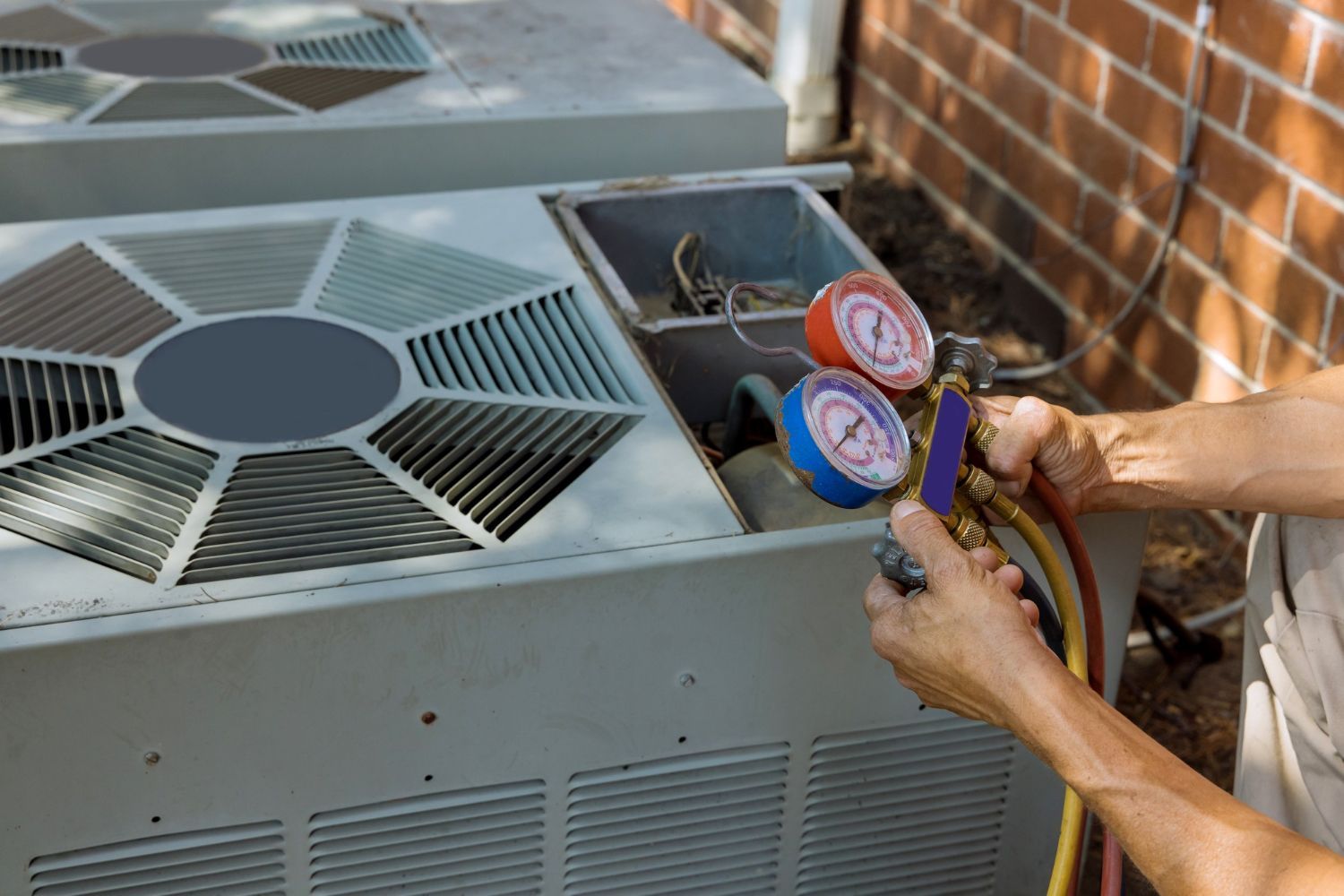
4 Factors Affecting Air Conditioning Efficiency in Manhattan, MT

Premier Systems
August 10, 2024

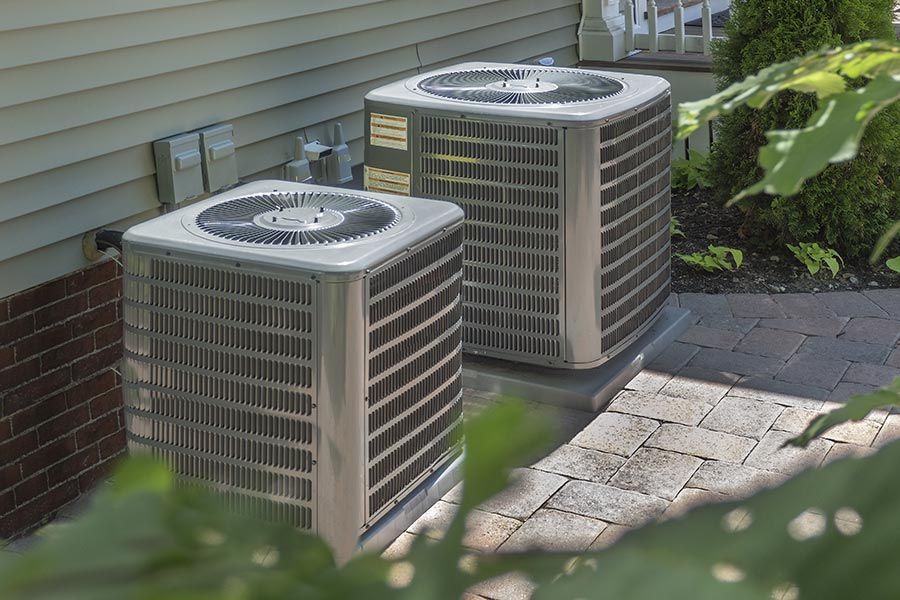
Even if your air conditioner works, more than a few things may impact how quickly your home stays cool. If you're wondering how many factors affect air conditioning efficiency, allow Premier Systems, experienced AC repair servicesin Manhattan, MT, to explain everything you need to know. Discover how to improve air conditioner efficiency and much more.


4 Factors Affecting Air Conditioning in Manhattan


When it comes to air conditioner efficiency factors, there's plenty to keep track of to ensure your air conditioner's success. While Manhattan may not be the hottest place on earth, you still need an efficient air conditioner unit to stay comfortable. Inefficiencies can cause your electricity bill to go up, especially if you have more than one of these factors affecting your air conditioner unit simultaneously. 


What affects air conditioner efficiency includes any blocking agents, insulating factors, or inefficiencies that cause your air conditioner to work harder than it needs to. The following, specifically, may have a major impact on your system.


1. Duct Cleanliness

When you have ductwork, you have a long path for your air to flow through to cool your house. Many reasons for low air conditioner efficiency involve your ductwork and air filters, which can accumulate dust and grime over time. If you want to remove one of the most prevalent factors affecting air conditioning efficiency, clean your filters and ductwork at least once every three months in Manhattan.


2. SEER Rating

Your SEER, or Seasonal Energy Efficiency Ratio, rating is the metric by which you measure cooling potential. To get an air conditioner system to work properly for your home, your SEER rating should be near the bare minimum for Manhattan residents, which is 13. If you have a lower rating, you may have higher energy bills to contend with. If you have a higher SEER rating, you may have a more efficient system with more impressive cooling capabilities. Keep in mind that you may need to clean your filter out more often with a more efficient system in your household.


3. Thermostat Settings

If you have a programmable thermostat, you likely have a schedule set up for maximum air conditioner efficiency. However, if you have a standard thermostat, you may be tempted to leave it at a specific setting for a one-temperature-fits-all approach. While this is convenient for homeowners, the bottleneck on your air conditioner's efficiency is significant. 


Maintaining a huge temperature difference between indoors and outdoors can put a strain on your air conditioner unit. This is why if you want to be as efficient as possible with your thermostat, you should change it as the temperature outside changes. One of the most relevant factors affecting air conditioning efficiency is temperature control; if you want to improve efficiency, consider setting higher temperatures during colder times, like in the morning or overnight.


4. Maintenance Status

Another aspect of keeping your air conditioner efficient is keeping it under a strict maintenance schedule. Maintenance isn't just important to keep your air conditioner in top shape but to keep everything clean. When you get scheduled maintenance, you get an HVAC professional to check everything in your unit, from the compressor (which keeps your unit cool) to the sensors (which you need to start your system every morning).


Neglecting annual maintenance can cause more than a handful of problems. Small issues can eventually evolve into bigger ones, like a leaking condensate line that eventually turns into a rust issue inside your unit. If you don't get yearly maintenance on your system, you may find that your energy bills get higher while your air conditioner starts to struggle.


Consider Working With Premier Systems in Manhattan

Now that you know all about the factors affecting air conditioning, why not solve all of your air conditioner problems with Premier Systems? We have the expertise and professionals on hand to handle all of your HVAC needs, whether they be simple repairs or complete replacements. We specialize in the following:


When you work with Premier Systems, you work with a reliable HVAC service that puts your indoor air quality and air conditioner efficiency first.

If you want to work on reducing the hold that air conditioner energy efficiency factors have on your unit, consider some of the air conditioner efficiency tips that we have for you. Call Premier Systems at406-823-3602 to discover more about factors affecting air conditioning efficiency today.


June 1, 2026
5 HVAC Problems Homeowners Notice During Montana's Rainy Days Rainy weather can be a welcome break from the summer heat, but it can also reveal hidden issues with your home's heating and cooling system. Increased humidity, fluctuating temperatures, and excess moisture can all impact your HVAC system's performance. If you've noticed your home feeling less comfortable during rainy weather, your HVAC system may be trying to tell you something. Here are five common HVAC problems homeowners experience during Montana's rainy days and what you can do about them. 1. Excess Indoor Humidity One of the most common complaints during rainy weather is a home that feels damp or sticky, even with the air conditioner running. Your HVAC system does more than cool the air—it also removes moisture. If your system isn't properly dehumidifying your home, indoor humidity levels can rise quickly. Signs of High Indoor Humidity: Sticky or clammy indoor air Condensation on windows Musty odors Increased allergy symptoms If your home consistently feels humid, your air conditioner may need maintenance or your system may be improperly sized for your home. 2. Musty Smells Coming from Vents Rain and humidity create the perfect environment for mold and mildew growth. If you notice a musty odor when your HVAC system turns on, moisture may be collecting somewhere in the system. Common causes include: Dirty evaporator coils Clogged condensate drains Mold growth in ductwork Excess moisture around the air handler Ignoring these odors can lead to reduced indoor air quality and potential health concerns for your family. 3. Reduced Airflow Rainy weather can expose airflow issues that may have gone unnoticed during drier conditions. Dirty air filters, clogged coils, or ductwork problems can restrict airflow and make it harder for your system to maintain comfortable temperatures. Watch for: Weak airflow from vents Rooms that won't cool evenly Longer run times Higher energy bills A professional HVAC inspection can quickly identify and resolve airflow problems before they become major repairs. 4. Water Leaks Around Your HVAC Equipment Many homeowners are surprised to find water pooling near their indoor HVAC unit during rainy periods. While it may seem like rainwater is entering the system, the issue is often related to a clogged condensate drain line. Your air conditioner removes moisture from the air, and that water needs somewhere to go. When drain lines become blocked, water can back up and leak around your equipment. Don't ignore water around your HVAC system. Left untreated, it can damage flooring, walls, and even the unit itself. 5. Thermostat and Electrical Issues Heavy rainstorms can sometimes cause power fluctuations that affect HVAC controls. If your thermostat isn't responding properly or your system cycles on and off unexpectedly after a storm, electrical components may have been affected. Common warning signs include: Blank thermostat screens Inconsistent temperatures System short cycling Failure to start If you notice these symptoms after severe weather, it's best to have a technician inspect the system to prevent further damage. Keep Your HVAC System Ready for Any Weather Montana's weather can change quickly, and your HVAC system needs to be ready for everything from summer rainstorms to humid days and temperature swings. Regular maintenance helps identify small problems before they become expensive repairs. A seasonal HVAC tune-up can: Improve system efficiency Reduce humidity issues Prevent unexpected breakdowns Extend equipment life Improve indoor air quality Schedule Your HVAC Inspection Today If you've noticed musty odors, humidity problems, weak airflow, or water leaks during recent rainy weather, don't wait for the problem to get worse. Our experienced technicians can diagnose the issue and help keep your home comfortable no matter what the forecast brings. Contact us today to schedule your HVAC inspection and ensure your system is ready for Montana's changing weather.
May 26, 2026
Why Your House Feels Humid Even With the AC Running
May 20, 2026
5 Signs Your AC Won’t Survive the Summer
May 11, 2026
Why Spring Is the Best Time to Replace Your A/C
April 28, 2026
Wildfire season has become an increasingly common part of life in Southwest Montana, especially for homeowners in Bozeman, Belgrade, and Four Corners. While the smoky haze outside is easy to see, what’s happening inside your home is often less obvious. Many people assume that simply closing windows and doors will keep them safe—but wildfire smoke can still enter your home and impact your indoor air quality (IAQ) in ways that affect both comfort and health. Why Wildfire Smoke Indoors Is a Serious IAQ Concern Wildfire smoke is made up of extremely fine particles called PM2.5, which are small enough to pass through tiny openings and even some standard HVAC filters. Once inside your home, these particles can circulate through your ductwork and linger in the air. For homeowners in our area, poor indoor air quality during wildfire season can lead to: Coughing, sneezing, and throat irritation Headaches and fatigue Aggravated asthma or allergies Increased strain on your HVAC system Without proper filtration and system maintenance, your home’s air may not be as clean as you think. How Smoke Affects Your HVAC System Your HVAC system plays a major role in managing your indoor air quality —especially during wildfire events. When smoke enters your home, your system can either help remove harmful particles or unintentionally spread them throughout your space. If your system isn’t equipped with the right components, you may experience: Reduced filtration of fine smoke particles Dirty ductwork circulating contaminants Increased wear and tear on system components Decreased efficiency and airflow This is why homeowners across Bozeman and Belgrade are upgrading their systems to better handle wildfire smoke conditions. HVAC Solutions to Improve Indoor Air Quality During Wildfire Season The most effective way to protect your home’s air is through professional HVAC solutions designed specifically for indoor air quality in Four Corners, Belgrade, and Bozeman. Upgrade to HEPA or High-Efficiency Filters Standard filters aren’t designed to capture the smallest smoke particles. Upgrading to HEPA filters or high-MERV rated filters allows your system to trap significantly more airborne contaminants, improving your IAQ immediately. Install Whole-Home Air Purification Systems Advanced air purification systems integrate directly into your HVAC system to continuously clean the air as it circulates. These systems are especially effective during wildfire season when outdoor air quality is poor for extended periods. Add an Air Scrubber Air scrubbers go beyond traditional filtration by actively removing pollutants, odors, and particles from the air and surfaces in your home. This added layer of protection can make a noticeable difference in homes affected by wildfire smoke. Schedule Professional Duct Cleaning If smoke has entered your home, particles can settle inside your ductwork. Duct cleaning removes built-up contaminants and prevents them from being recirculated, helping restore cleaner air throughout your home. Keep Up with HVAC Tune-Ups Regular HVAC tune-ups ensure your system is running efficiently and filtering air properly. During wildfire season, a well-maintained system is critical for maintaining healthy indoor air quality. Long-Term Protection for Homes in Bozeman, Belgrade & Four Corners Wildfire smoke isn’t just a temporary inconvenience—it’s an ongoing challenge for homeowners in Southwest Montana. Investing in indoor air quality solutions through your HVAC system provides long-term protection for your home and your family. By combining: High-efficiency filtration Whole-home air purification Air scrubbers Clean ductwork Routine system maintenance …you can significantly reduce the impact of wildfire smoke indoors. Breathe Easier with the Right HVAC Support Your home should be a place where you can escape poor outdoor air—not bring it inside. With the right HVAC upgrades and maintenance, you can take control of your indoor air quality in Bozeman, Belgrade, and Four Corners, even during the peak of wildfire season. If you’re noticing smoke lingering in your home or want to prepare ahead of time, working with a trusted HVAC professional can help you choose the best solutions for cleaner, healthier air. Cleaner indoor air starts with the right system—and the right team behind it.
thermostat
By U. Baid February 27, 2026
Cut energy use and boost comfort this winter with a WiFi thermostat. Get remote control, smart scheduling, and faster heating where it matters most.
mini split ac
By U. Baid February 27, 2026
Learn how mini split installation in Bozeman gives you zoned comfort, quiet operation, and better energy use, no matter what Montana’s weather brings.
furnace
By U. Baid February 19, 2026
Stay warm through winter with helpful tips on furnace maintenance in Bozeman to prevent breakdowns and keep your heating system running smoothly.
furnace
By U. Baid February 19, 2026
Keep your home cozy with simple habits and proper furnace maintenance in Bozeman. Learn ways to stay warm without stressing your heating system.
ac unit
By U. Baid February 18, 2026
Keep your cooling system reliable with air conditioner maintenance tips for Bozeman homeowners, including filter checks, coil cleaning, and tune-ups.