Spot These 6 Symptoms of Dirty Furnace Burners

Premier Systems
November 20, 2023

Let our team at Premier Systems in Bozeman ensure your furnace efficiency with our HVAC maintenance servicing. Book your appointment today!


When you turn on your gas furnace, you expect it to generate enough heat to keep your house warm and cozy. Unfortunately, a lack of furnace maintenance can reduce your system's performance and leave you without the heat you need. For example, soot buildup around the heating unit's burners can cause major performance issues, but what are the symptoms of dirty furnace burners?


As furnace repair experts in Bozeman, MT, our professional HVAC technicians at Premier Systems have years of experience and training on various heating system issues. Here, we explain some of the warning signs that a furnace has dirty burners. 


6 Signs Your Furnace Has Dirty Burners


Dirty gas furnace burners won't only affect your heating unit's performance. The problem could also be dangerous for your household. 


Soot buildup around the burners poses a major fire risk, and it can create clogs around the burners that could lead to incomplete combustion. Carbon monoxide, a deadly odorless gas, is a combustion byproduct that can seep into your home if it can't vent outdoors. 


Routine furnace maintenance includes burner cleaning. It's crucial to schedule the annual service before using your heater to minimize the fire and carbon monoxide risks.


Know when to contact a qualified HVAC professional for furnace maintenance by learning these symptoms of dirty furnace burners.


1. Unusual Flame Color

When your furnace operates correctly, the pilot light and burner flames should be blue. The flames should also be steady. However, if the fire changes from blue to yellow and constantly flickers, it shows that the furnace isn't facilitating the combustion process correctly. 


Incomplete combustion increases the chances of a carbon monoxide leak. You'll need an HVAC expert to inspect your gas furnace if the burner flame changes colors because the problem could be due to dirty burners or a mechanical defect. 


2. Not Enough Heat

If your home doesn't feel as warm as it should despite the settings on the thermostat, the problem could be a dirty burner. A partial clog could generate a weak flame, which also leads to insufficient heating. 


With an inefficient furnace, you might notice cold spots in certain rooms or inconsistent temperatures throughout the house. This is the last thing you want to deal with in the middle of winter, so it's best to contact a heating system expert for help.


3. Total Lack of Heat

Sometimes a furnace will stop generating heat altogether if the burners are dirty. When burners have a bad clog, the entire system can shut down. Even if the unit produces some heat, its blower fan won't activate to distribute the warm air through the property's ductwork.


A sensor inside the heating system is the reason a furnace will generate heat that your household can't feel. The sensor monitors the combustion chamber's temperature. Unless the sensor reads a specific temperature, it won't trigger the blower fan to turn on and distribute the heat. 


4. Unpleasant Odors

When burners have a dirty, sooty buildup, the flames around them will burn the debris. As a result, you'll smell an unpleasant odor like smoke or rubber whenever you run the furnace. 


5. Strange Furnace Sounds

Your furnace might produce a loud, strange noise when it has a problem. For example, dirty burners may cause the furnace to create rattling, popping, or booming noises when you turn on the heat.


The noise occurs because dirty burners cause a small explosion inside the combustion chamber during ignition. The explosion could be strong enough to damage the heat exchanger. 


6. Increased Energy Bills

One of the most common symptoms of dirty furnace burners is higher-than-normal energy bills. Skyrocketing utility expenses can indicate many problems within an HVAC system, but it usually means the unit is consuming more energy than normal. That's what happens when gas furnace burners are dirty and clogged. 


Until the buildup around the burners becomes bad enough to shut down the system, the furnace will continue working. However, it will consume extra energy to compensate for the inefficiencies of its burners. 


Count on Premier Systems' Experts for Reliable HVAC Maintenance


At Premier Systems in Bozeman, Montana, our team of skilled, experienced HVAC and electrical technicians offers a wide range of heating and cooling services. Whether we're identifying symptoms of dirty furnace burners or addressing furnace circuit board burns, we provide stress-free services and innovative solutions. 


Our team also provides 24/7 emergency services, so call (406) 300-4258 to schedule furnace services from Premier Systems. 
April 28, 2026
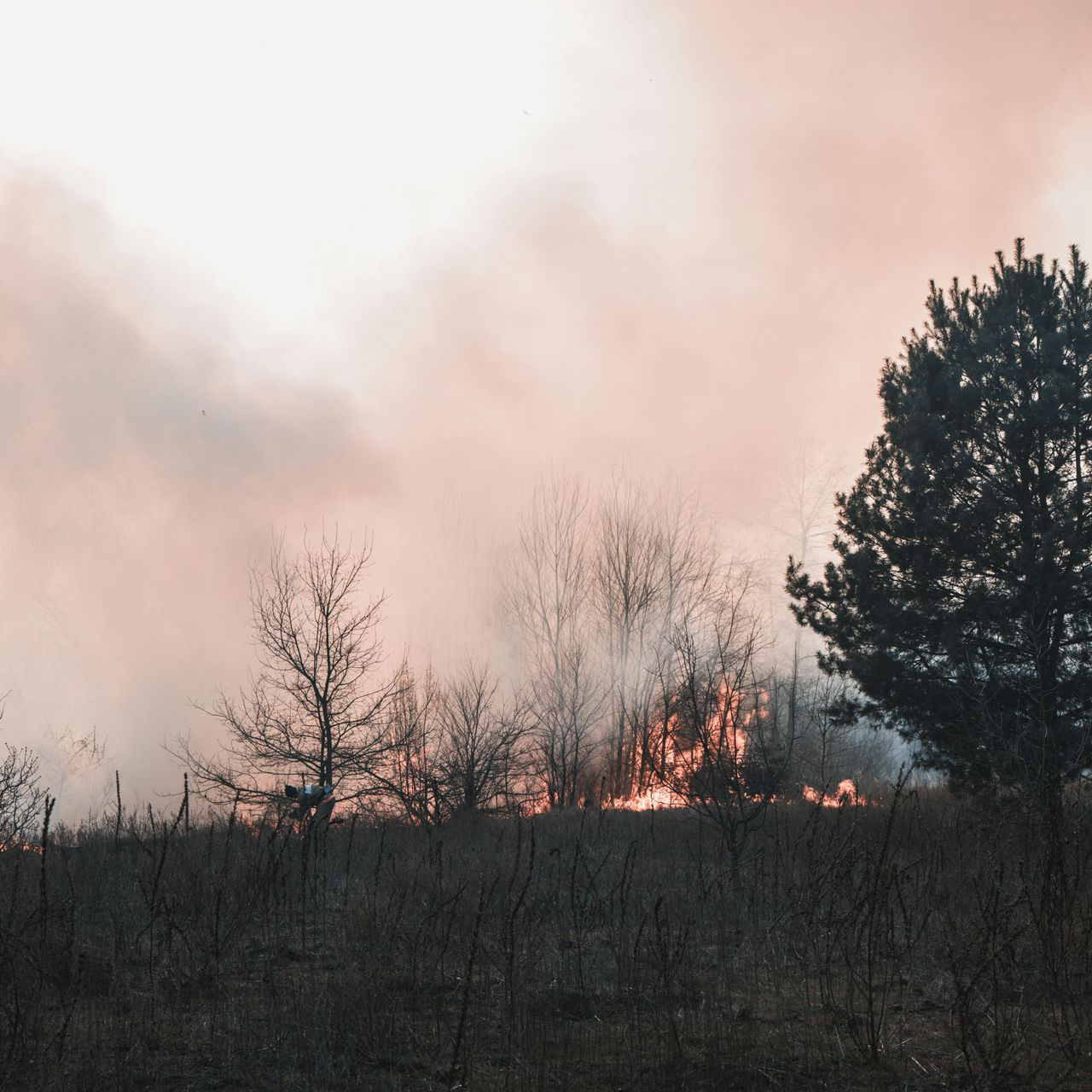
Wildfire season has become an increasingly common part of life in Southwest Montana, especially for homeowners in Bozeman, Belgrade, and Four Corners. While the smoky haze outside is easy to see, what’s happening inside your home is often less obvious. Many people assume that simply closing windows and doors will keep them safe—but wildfire smoke can still enter your home and impact your indoor air quality (IAQ) in ways that affect both comfort and health. Why Wildfire Smoke Indoors Is a Serious IAQ Concern Wildfire smoke is made up of extremely fine particles called PM2.5, which are small enough to pass through tiny openings and even some standard HVAC filters. Once inside your home, these particles can circulate through your ductwork and linger in the air. For homeowners in our area, poor indoor air quality during wildfire season can lead to: Coughing, sneezing, and throat irritation Headaches and fatigue Aggravated asthma or allergies Increased strain on your HVAC system Without proper filtration and system maintenance, your home’s air may not be as clean as you think. How Smoke Affects Your HVAC System Your HVAC system plays a major role in managing your indoor air quality —especially during wildfire events. When smoke enters your home, your system can either help remove harmful particles or unintentionally spread them throughout your space. If your system isn’t equipped with the right components, you may experience: Reduced filtration of fine smoke particles Dirty ductwork circulating contaminants Increased wear and tear on system components Decreased efficiency and airflow This is why homeowners across Bozeman and Belgrade are upgrading their systems to better handle wildfire smoke conditions. HVAC Solutions to Improve Indoor Air Quality During Wildfire Season The most effective way to protect your home’s air is through professional HVAC solutions designed specifically for indoor air quality in Four Corners, Belgrade, and Bozeman. Upgrade to HEPA or High-Efficiency Filters Standard filters aren’t designed to capture the smallest smoke particles. Upgrading to HEPA filters or high-MERV rated filters allows your system to trap significantly more airborne contaminants, improving your IAQ immediately. Install Whole-Home Air Purification Systems Advanced air purification systems integrate directly into your HVAC system to continuously clean the air as it circulates. These systems are especially effective during wildfire season when outdoor air quality is poor for extended periods. Add an Air Scrubber Air scrubbers go beyond traditional filtration by actively removing pollutants, odors, and particles from the air and surfaces in your home. This added layer of protection can make a noticeable difference in homes affected by wildfire smoke. Schedule Professional Duct Cleaning If smoke has entered your home, particles can settle inside your ductwork. Duct cleaning removes built-up contaminants and prevents them from being recirculated, helping restore cleaner air throughout your home. Keep Up with HVAC Tune-Ups Regular HVAC tune-ups ensure your system is running efficiently and filtering air properly. During wildfire season, a well-maintained system is critical for maintaining healthy indoor air quality. Long-Term Protection for Homes in Bozeman, Belgrade & Four Corners Wildfire smoke isn’t just a temporary inconvenience—it’s an ongoing challenge for homeowners in Southwest Montana. Investing in indoor air quality solutions through your HVAC system provides long-term protection for your home and your family. By combining: High-efficiency filtration Whole-home air purification Air scrubbers Clean ductwork Routine system maintenance …you can significantly reduce the impact of wildfire smoke indoors. Breathe Easier with the Right HVAC Support Your home should be a place where you can escape poor outdoor air—not bring it inside. With the right HVAC upgrades and maintenance, you can take control of your indoor air quality in Bozeman, Belgrade, and Four Corners, even during the peak of wildfire season. If you’re noticing smoke lingering in your home or want to prepare ahead of time, working with a trusted HVAC professional can help you choose the best solutions for cleaner, healthier air. Cleaner indoor air starts with the right system—and the right team behind it.
thermostat
By U. Baid February 27, 2026
Cut energy use and boost comfort this winter with a WiFi thermostat. Get remote control, smart scheduling, and faster heating where it matters most.
mini split ac
By U. Baid February 27, 2026
Learn how mini split installation in Bozeman gives you zoned comfort, quiet operation, and better energy use, no matter what Montana’s weather brings.
furnace
By U. Baid February 19, 2026
Stay warm through winter with helpful tips on furnace maintenance in Bozeman to prevent breakdowns and keep your heating system running smoothly.
furnace
By U. Baid February 19, 2026
Keep your home cozy with simple habits and proper furnace maintenance in Bozeman. Learn ways to stay warm without stressing your heating system.
ac unit
By U. Baid February 18, 2026
Keep your cooling system reliable with air conditioner maintenance tips for Bozeman homeowners, including filter checks, coil cleaning, and tune-ups.
ac coils
By U. Baid February 18, 2026
Learn the best method for cleaning AC coils, plus safety tips, tools, and maintenance steps to improve performance.
ac maintenance
By U. Baid February 18, 2026
Learn how often to schedule air conditioner maintenance, what to expect from seasonal tune-ups, and tips to keep your home cooling reliable in MT.
ac tune up
By U. Baid February 18, 2026
Learn what an AC tune-up includes, from safety checks to performance testing, to keep your system efficient and reliable in Gallatin Valley homes.
furnace replacement
By U. Baid February 12, 2026
Learn how to spot signs of heating trouble this winter and decide if a furnace replacement in Bozeman is the right move to keep your home warm.