Can I Use AC and Humidifier Together?

Premier Systems
July 20, 2023

Need help with your air conditioning system? Call Premier Systems at  (406) 351-6585.


Dry indoor air can make you and your family very uncomfortable. Low humidity levels create static and cause dry skin and nosebleeds. Raising the humidity level inside your home can relieve symptoms and make you more comfortable as outdoor temperatures climb. 


You're probably wondering, “Can I use an AC and a humidifier together?” and we understand the concern. The last thing you want is to waste electricity running both at once without seeing results. This post discusses the function of a humidifier and an air conditioner and when you should use both to increase your comfort levels.


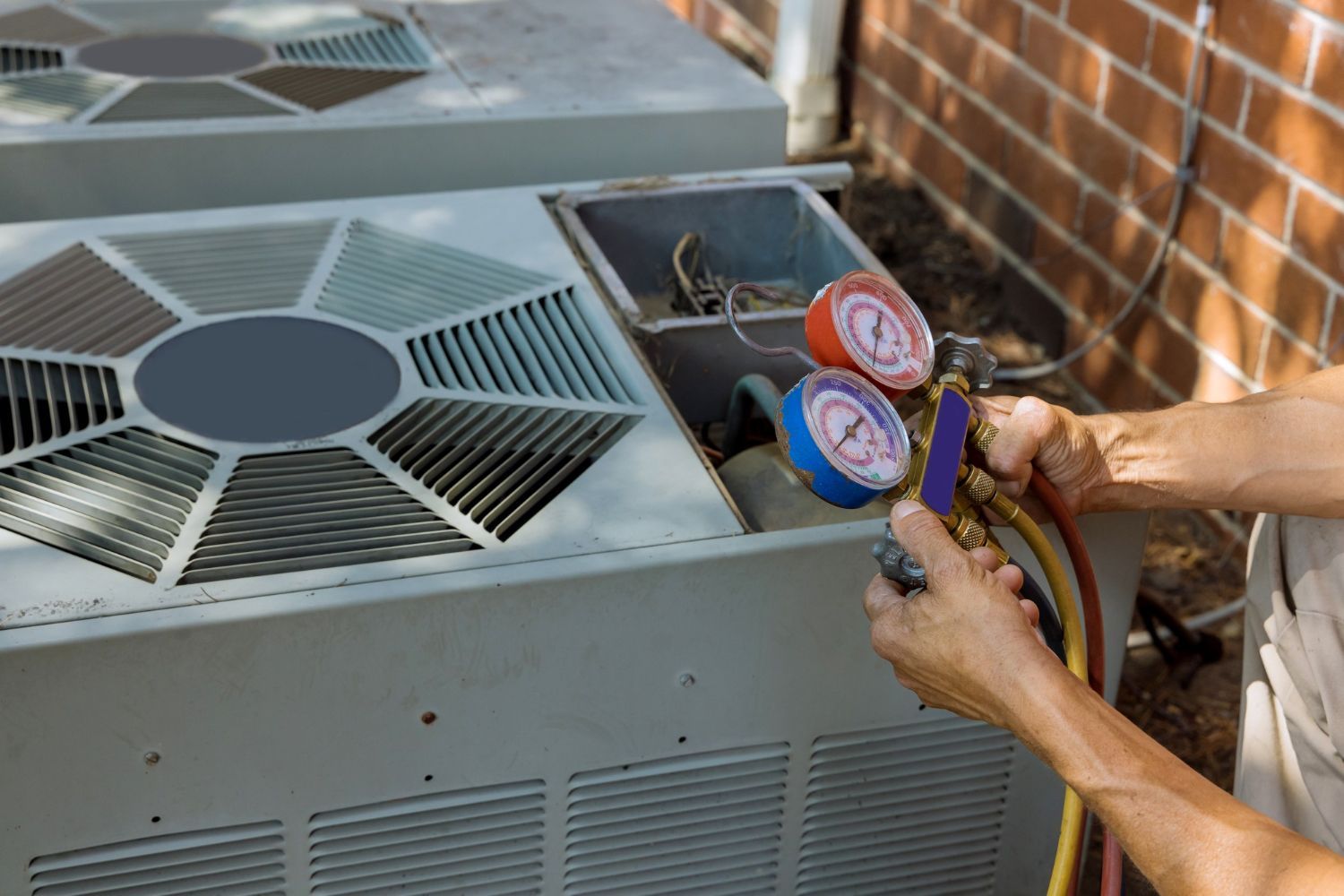
Our qualified technicians at Premier Systems are the number one AC maintenance experts in Bozeman. Our technicians have the real-world experience necessary to identify all sorts of HVAC problems and repair damage quickly to keep your home comfortable.


The Purpose of a Humidifier


Home humidity levels vary greatly depending on the native climate where you live. Generally, you want to maintain a moisture level of less than 50% inside your home. Any higher and you run the risk of mold infestation.


If you live in a very dry climate, supplementing with a humidifier can help relieve symptoms like dry skin and dehydration.


You can choose from several types of humidifiers depending on your needs. For example, a portable humidifier works well to increase the moisture level in one room, but the rest of your home will still have dry air. 


If you need to create a consistent humidity level throughout your home, consider installing a whole-home humidifier. It works with your HVAC system to distribute humid air through the ductwork.


Functions of an Air Conditioner


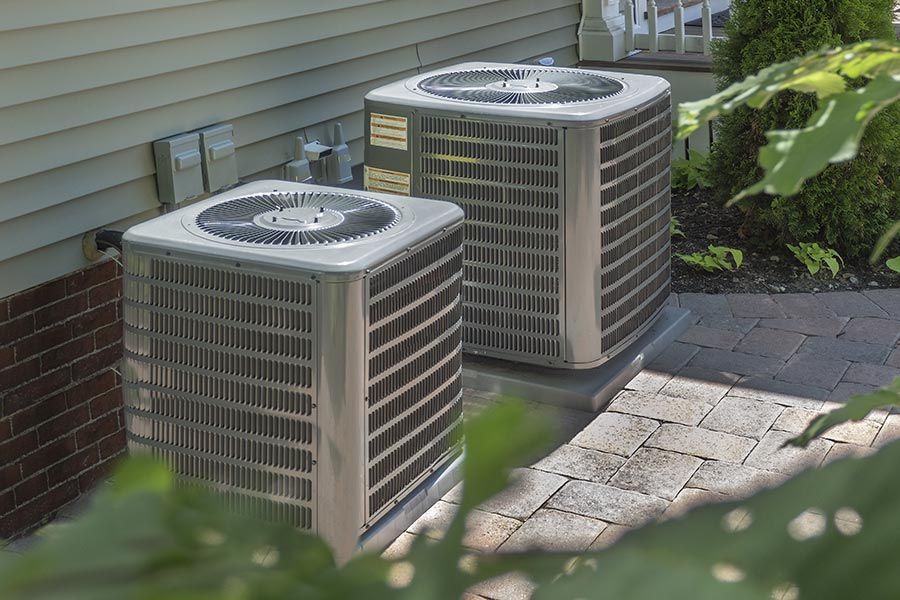
Your air conditioner works to maintain a comfortable temperature inside your home, but that’s not all. Your air conditioner acts as a dehumidifier during its normal operation process.


Refrigerant flows through the evaporator coils, absorbing heat to create cool air for your home. It also absorbs moisture at the same time, resulting in dry air that gives you itchy skin and other problems. While absorbing moisture is a normal part of the cooling process, it’s not necessarily the best for your home. 


If you live in a humid climate, you likely benefit from the dehumidifying process of your air conditioner. High humidity levels can make the air inside your home feel thick and difficult to inhale. Sweat can’t evaporate in high humidity conditions, making you feel damp all day long.


Determining if You Should Use a Humidifier


If you wonder, “Can I use an AC and a humidifier together?” the answer depends on the humidity level in your home. It’s difficult to know your exact humidity level without any tools. A hygrometer is an inexpensive way to get an accurate day-to-day measurement of your home humidity level. 


A hygrometer detects humidity through a copper coil and indicates if the level is too high or too low. If the humidity level is less than 35%, your home could benefit from a humidifier. If it’s over 50%, hold off on adding humidity to avoid mold growth.


Another way to detect dry air is to pay attention to physical symptoms. If your lips feel unusually chapped, your skin rapidly absorbs lotion, and you get unexpected nosebleeds, you are likely suffering the effects of low humidity. 


Using Your Air Conditioner and a Humidifier


If you live in a dry climate, you will benefit from replenishing moisture with a humidifier. A hygrometer will help you keep an eye on the humidity level so it doesn’t go beyond 50%. By using both simultaneously, you will enjoy cool air without suffering the effects of air with too little humidity. 


Reliable HVAC Service in Bozeman


Your air conditioner removes humidity from the air during the cooling process. If you suffer from dry air inside your home, you could benefit from using a humidifier along with your air conditioner. A whole-home humidifier will maintain a consistent humidity level in every room without the hassle of moving a portable humidifier from room to room throughout the day.


If you would like to improve your indoor air quality, installing a UV light for your air conditioner will remove pollutants from the air to help you breathe easier. 


If you're still wondering, “Can I use an AC and a humidifier together?” our Premier Systems team can help. We provide HVAC service in Bozeman, MT, and the nearby areas. Fill out our online form or call  (406) 351-6585   to ask questions and schedule service with our qualified technicians.
September 14, 2026
Cold Mornings, Warm Afternoons: Managing Montana’s Fall Temperature Swings Fall in southwest Montana rarely arrives all at once. One morning may feel cold enough to turn on the furnace, while the afternoon has you opening windows or thinking about the air conditioner again. That is exactly what this week’s forecast looks like. As of September 14, the National Weather Service is forecasting a low near 37°F in Bozeman Monday night, followed by a high near 72°F Tuesday. Belgrade is expected to fall to around 34°F before warming into the low 70s. Higher-elevation areas such as Big Sky may experience even colder mornings. These large temperature swings are normal for the season, but they can make it difficult to keep your home comfortable without constantly adjusting the thermostat. Here are a few ways to help your HVAC system handle the transition efficiently. Avoid Constantly Switching Between Heating and Cooling When the house feels cold in the morning and warm in the afternoon, it can be tempting to switch repeatedly between your furnace and air conditioner. Instead, choose a comfortable heating temperature for the morning and allow the outdoor temperature to warm the home naturally later in the day. Opening blinds on sunny windows can provide free warmth during cooler mornings. Close them again if direct afternoon sunlight begins overheating the house. If your thermostat has an automatic heating and cooling mode, make sure there is a reasonable gap between the two settings. A very narrow temperature range can cause the system to switch back and forth more often than necessary. Do Not Crank Up the Thermostat Setting the thermostat to 80°F will not make your furnace or boiler warm the house faster. It simply tells the system to keep running until the home reaches that higher temperature. Choose the temperature you actually want and give the system time to reach it. If your home takes an unusually long time to warm up, heats unevenly or never reaches the thermostat setting, there may be an airflow, control or equipment issue that needs attention. Test Your Heating System Before the First Real Cold Snap Even if you only need heat for an hour in the morning, early fall is a good time to test your furnace or boiler. Let the system complete a full heating cycle and pay attention to: Unusual banging, rattling or squealing Burning odors that continue after the first few minutes Rooms that remain noticeably colder than others A furnace that starts and stops repeatedly A boiler that is leaking, making unusual noises or struggling to heat evenly A thermostat that does not match how the room feels A brief dusty smell can be normal the first time a furnace runs after summer. A strong electrical, plastic or fuel-related odor is different—turn the system off and contact an HVAC professional. Testing the system now gives you time to address a problem before a colder Montana morning makes heat essential. Check the Air Filter and Keep Vents Open Your HVAC system needs steady airflow whether it is heating or cooling. A dirty filter can restrict that airflow, reduce comfort and make the equipment work harder. Check the filter now, especially if your system ran frequently during the summer or your home was exposed to wildfire smoke, construction dust or pet hair. Replace it when it is visibly dirty or according to the manufacturer’s recommendation. Also make sure supply vents and return grilles are not blocked by furniture, rugs or boxes. Closing several vents usually does not save energy and may create unwanted pressure within the ductwork. Pay Attention to Indoor Humidity As colder weather settles in and heating systems begin running more regularly, indoor air can become noticeably drier. Dry air may contribute to static electricity, dry skin and irritated noses or throats. A whole-home humidifier can add controlled moisture through the HVAC system, but it should be adjusted according to outdoor conditions. Too much indoor humidity can lead to condensation on windows and other moisture problems. If you already have a humidifier, now is a good time to inspect its water panel, drain and controls. If you do not have one, Premier Systems can help determine whether a whole-home humidifier makes sense for your home. Do Not Seal Up the Outdoor Air Conditioner Once cooling season ends, remove leaves, grass and other debris from around the outdoor air conditioner. Maintain clear space around the unit so moisture and debris do not become trapped against it. Avoid wrapping the entire unit tightly in plastic. A full cover can hold moisture inside and create a sheltered place for rodents. If protection is needed, a manufacturer-approved top cover is generally a better option. Use Fall to Learn How Your Home Behaves Seasonal transitions can reveal comfort problems that are harder to notice during steady weather. One room may warm quickly in the morning while another stays cold. An upper floor may become too warm during sunny afternoons even though the main level feels comfortable. These patterns can point to ductwork, insulation, thermostat placement or airflow issues—not necessarily a problem with the furnace or air conditioner itself. Keep track of when and where discomfort occurs. Those details can make an HVAC evaluation much more useful. Prepare Now for a More Comfortable Heating Season Whether you live in Bozeman, Big Sky, Belgrade, Manhattan, Three Forks or Ennis, fall weather can move quickly from mild afternoons to freezing nights. A little preparation now can help your furnace, boiler and other comfort equipment handle the transition smoothly. If your home is heating unevenly, your system is making unusual noises or you would like help preparing for colder weather, contact Premier Systems at 406-351-6585 or visit premiersystemsmt.com .
September 3, 2026
Fall in the Gallatin Valley can be short. One week may feel like summer, and the next can bring freezing temperatures and the first snowfall. Before you need your heating system every day, now is the perfect time to schedule a professional furnace tune-up. For homeowners in Bozeman, Belgrade, and Four Corners, fall furnace maintenance can help prevent unexpected heating problems, improve system performance, and give you confidence that your home is ready for another Montana winter. Why Schedule a Furnace Tune-Up in the Fall? Your furnace works hard during our long heating season. Even if it ran well last winter, months of sitting unused can allow dust and debris to accumulate. Parts can also wear down over time without showing obvious warning signs. A fall furnace tune-up gives a trained HVAC technician the opportunity to inspect your system, test its operation, and identify potential concerns before freezing temperatures arrive. It is much easier to address a minor issue now than to discover it when your furnace stops working on a cold January night. Reduce the Risk of an Unexpected Breakdown No furnace tune-up can guarantee that a system will never experience a problem, but regular maintenance can significantly reduce the chances of a preventable breakdown. During a professional furnace tune-up, a technician can check important components, look for signs of wear, test safety controls, and make sure the system is operating correctly. Catching a loose connection, dirty component, or worn part early may help prevent a more expensive repair later. Scheduling early also gives you more control. If a repair or replacement is recommended, you have time to understand your options instead of making a rushed decision after the heat goes out. Help Your Furnace Operate Efficiently A furnace that is dirty or struggling to operate correctly may have to work harder to heat your home. That extra effort can increase energy use and put unnecessary strain on the system. Routine furnace maintenance can help your equipment run as efficiently as possible. While every home and heating system is different, improved airflow, clean components, and proper operation can all contribute to more consistent performance. With the cost of heating a home through a Bozeman winter, even small improvements can make a difference. Improve Comfort Throughout Your Home If certain rooms feel colder than others, your furnace runs constantly, or the temperature never seems to match the thermostat, your system may need attention. A fall tune-up can help uncover performance issues before they become more noticeable. Your technician can evaluate how the furnace is running and let you know if additional service may be needed. The goal is not simply to make sure the furnace turns on. It is to help your home remain comfortable and dependable throughout the heating season. Support Safe Furnace Operation Your furnace uses fuel, electricity, heat, and moving components to warm your home. That makes regular professional inspections an important part of responsible home maintenance. During a tune-up, the technician can inspect the system for visible damage, test safety components, and check for concerns that could affect its operation. Homeowners should also make sure they have working smoke and carbon monoxide detectors and replace the batteries according to the manufacturer’s recommendations. If you ever smell gas, hear unusual noises, or notice other signs of a serious furnace problem, turn the system off if it is safe to do so and contact a professional immediately. Help Protect the Life of Your Heating System Replacing a furnace is a major investment. Routine maintenance helps reduce unnecessary wear and may extend the useful life of your equipment. A well-maintained furnace generally has an easier job than one that must operate with dirty components, restricted airflow, or unresolved mechanical issues. Maintenance also creates a service history, making it easier to track recurring concerns and plan for future repairs or replacement. Avoid the Busy-Season Rush Once the first major cold snap reaches Bozeman, Belgrade, and Four Corners, HVAC companies receive a wave of no-heat calls. Appointment availability can become limited as homeowners discover problems at the same time. Scheduling your furnace tune-up before cold weather arrives helps you beat the seasonal rush. It also gives you time to complete any recommended repairs before you depend on the furnace every day. Signs Your Furnace May Need Service In addition to annual maintenance, contact an HVAC professional if you notice: Unusual banging, rattling, squealing, or grinding sounds Strange or persistent odors Higher heating bills without a clear explanation Uneven temperatures throughout your home Frequent cycling on and off Weak airflow from the vents Difficulty keeping the house at the desired temperature A furnace that is slow to start or does not start reliably These symptoms do not always mean the furnace needs to be replaced. In many cases, an inspection can identify a repair or maintenance issue before it becomes more serious. Schedule Furnace Maintenance in Bozeman, Belgrade, or Four Corners Montana’s colder weather will be here soon. Take care of your furnace now so you can head into fall with greater comfort, clarity, and confidence. Premier Systems provides professional furnace tune-ups and heating services for homeowners throughout Bozeman, Belgrade, Four Corners, and the surrounding Gallatin Valley. Our team will inspect your equipment, explain what we find, and help you prepare your home for the season ahead. Schedule your furnace tune-up today by calling 406-599-8083.
August 3, 2026
How Duct Cleaning Helps During Smoky Months Wildfire season in Montana often brings hazy skies, smoky odors, and unhealthy outdoor air. Even when your doors and windows are closed, fine smoke particles can still make their way into your home. Once inside, these particles can settle on surfaces and collect inside your HVAC system and ductwork. When your heating or cooling system runs, lingering dust, debris, and smoky odors may recirculate throughout your home. Smoke Doesn’t Always Stay Outside Wildfire smoke contains extremely small particles that can enter through doors, windows, ventilation systems, and other small openings. Over time, some of these particles may settle inside your air ducts and combine with existing dust, pet hair, pollen, and other debris. Professional duct cleaning removes this accumulated material from your ductwork. It may be especially helpful if: Your home still smells smoky when the outdoor air improves You notice excessive dust around your vents Your ducts have not been professionally cleaned in several years Your home has recently been remodeled or renovated Your HVAC system has been running heavily during smoky weather Duct cleaning cannot stop new smoke from entering your home, but it can help remove settled debris that may otherwise remain inside your HVAC system. Why Professional Duct Cleaning Makes a Difference Not every duct-cleaning system provides the same level of cleaning. Small portable vacuums may not have enough suction to thoroughly clean an entire duct system. Premier Systems uses Montana’s only Hypervac duct-cleaning truck. This state-of-the-art system creates powerful suction throughout your ductwork while specialized tools loosen built-up dust, dirt, and debris. The material is then pulled out of your duct system and collected outside your home. Instead of simply stirring contaminants around, the Hypervac system removes them from your home. Combine Duct Cleaning With Better Filtration Duct cleaning addresses debris that has already accumulated in your ductwork. Proper air filtration helps capture new particles as air moves through your HVAC system. During wildfire season, your HVAC filter may become dirty more quickly than usual. Check it regularly and replace it when needed. Depending on your HVAC system, you may also benefit from an upgraded media filter, HEPA filtration system, or another whole-home indoor air quality solution. Because highly restrictive filters can reduce airflow in some systems, it is important to choose a filter that works properly with your equipment. Breathe Cleaner This Smoky Season You may not be able to control Montana’s wildfire smoke, but you can take steps to improve the air circulating inside your home. Professional duct cleaning removes accumulated dust, debris, and settled contaminants, while effective filtration helps capture new airborne particles. Premier Systems proudly serves Bozeman, Belgrade, Big Sky, Four Corners, and surrounding Montana communities. Contact us today to schedule a professional duct cleaning using Montana’s only Hypervac duct-cleaning truck. Call 406-599-8083 to schedule your duct cleaning.
July 27, 2026
Wildfire season has become an increasingly common part of life in Southwest Montana, especially for homeowners in Bozeman, Belgrade, and Four Corners. While the smoky haze outside is easy to see, what’s happening inside your home is often less obvious. Many people assume that simply closing windows and doors will keep them safe—but wildfire smoke can still enter your home and impact your indoor air quality (IAQ) in ways that affect both comfort and health. Why Wildfire Smoke Indoors Is a Serious IAQ Concern Wildfire smoke is made up of extremely fine particles called PM2.5, which are small enough to pass through tiny openings and even some standard HVAC filters. Once inside your home, these particles can circulate through your ductwork and linger in the air. For homeowners in our area, poor indoor air quality during wildfire season can lead to: Coughing, sneezing, and throat irritation Headaches and fatigue Aggravated asthma or allergies Increased strain on your HVAC system Without proper filtration and system maintenance, your home’s air may not be as clean as you think. How Smoke Affects Your HVAC System Your HVAC system plays a major role in managing your indoor air quality —especially during wildfire events. When smoke enters your home, your system can either help remove harmful particles or unintentionally spread them throughout your space. If your system isn’t equipped with the right components, you may experience: Reduced filtration of fine smoke particles Dirty ductwork circulating contaminants Increased wear and tear on system components Decreased efficiency and airflow This is why homeowners across Bozeman and Belgrade are upgrading their systems to better handle wildfire smoke conditions. HVAC Solutions to Improve Indoor Air Quality During Wildfire Season The most effective way to protect your home’s air is through professional HVAC solutions designed specifically for indoor air quality in Four Corners, Belgrade, and Bozeman. Upgrade to HEPA or High-Efficiency Filters Standard filters aren’t designed to capture the smallest smoke particles. Upgrading to HEPA filters or high-MERV rated filters allows your system to trap significantly more airborne contaminants, improving your IAQ immediately. Install Whole-Home Air Purification Systems Advanced air purification systems integrate directly into your HVAC system to continuously clean the air as it circulates. These systems are especially effective during wildfire season when outdoor air quality is poor for extended periods. Add an Air Scrubber Air scrubbers go beyond traditional filtration by actively removing pollutants, odors, and particles from the air and surfaces in your home. This added layer of protection can make a noticeable difference in homes affected by wildfire smoke. Schedule Professional Duct Cleaning If smoke has entered your home, particles can settle inside your ductwork. Duct cleaning removes built-up contaminants and prevents them from being recirculated, helping restore cleaner air throughout your home. Keep Up with HVAC Tune-Ups Regular HVAC tune-ups ensure your system is running efficiently and filtering air properly. During wildfire season, a well-maintained system is critical for maintaining healthy indoor air quality. Long-Term Protection for Homes in Bozeman, Belgrade & Four Corners Wildfire smoke isn’t just a temporary inconvenience—it’s an ongoing challenge for homeowners in Southwest Montana. Investing in indoor air quality solutions through your HVAC system provides long-term protection for your home and your family. By combining: High-efficiency filtration Whole-home air purification Air scrubbers Clean ductwork Routine system maintenance …you can significantly reduce the impact of wildfire smoke indoors. Breathe Easier with the Right HVAC Support Your home should be a place where you can escape poor outdoor air—not bring it inside. With the right HVAC upgrades and maintenance, you can take control of your indoor air quality in Bozeman, Belgrade, and Four Corners, even during the peak of wildfire season. If you’re noticing smoke lingering in your home or want to prepare ahead of time, working with a trusted HVAC professional can help you choose the best solutions for cleaner, healthier air. Cleaner indoor air starts with the right system—and the right team behind it.
July 13, 2026
The body content of your post goes here. To edit this text, click on it and delete this default text and start typing your own or paste your own from a different source.
July 7, 2026
The Worst of Summer Heat Is Still Coming: Is Your HVAC System Ready? As we move deeper into summer, the hottest days of the year are still ahead. While your air conditioner may have handled the early season without issue, the real test is often July and August, when temperatures climb higher and your system runs longer than ever. If you live in Bozeman, Belgrade, Four Corners, Three Forks, Livingston, Big Sky, or the surrounding Gallatin Valley , now is the perfect time to make sure your HVAC system is ready before the peak of summer arrives. Why the Hottest Days Are Hard on Your Air Conditioner Your air conditioner works hardest when outdoor temperatures soar. During Montana's hottest weeks, your system may run almost continuously to keep your home comfortable. This extra workload can lead to: Higher energy bills Longer cooling cycles Reduced comfort Increased wear and tear Unexpected breakdowns Many emergency AC repairs happen during heat waves simply because aging or neglected systems are pushed beyond their limits. Warning Signs Your AC May Not Make It Through the Summer Don't ignore these common signs: Your home isn't cooling evenly. Hot upstairs rooms or warm spots throughout the house often indicate airflow issues or an aging system. Your AC runs constantly. If your system rarely shuts off, it may be struggling to keep up with demand. Your energy bills keep increasing. Older equipment loses efficiency over time, costing you more every month. Strange noises or odors. Grinding, buzzing, rattling, or musty smells should never be ignored. Frequent repairs. If you've already needed repairs this season, additional issues could be right around the corner. Why Preventative Maintenance Matters A professional HVAC tune-up helps your system perform its best when you need it most. During a maintenance visit, technicians can: Clean coils and components Check refrigerant levels Inspect electrical connections Test system performance Replace dirty filters Catch small issues before they become expensive repairs Preventative maintenance often extends equipment life while improving efficiency and reliability. Is It Time to Replace Your Air Conditioner? If your system is: 10-15+ years old Requiring frequent repairs Struggling to keep your home comfortable Causing high utility bills It may be more cost-effective to replace it before it fails completely. Replacing your AC before an emergency allows you to: Schedule installation at your convenience Avoid peak-season breakdowns Take advantage of available rebates and financing Enjoy improved comfort and lower operating costs for years to come Don't Forget About Indoor Air Quality Summer often means closed windows, wildfire smoke, dust, pollen, and allergens circulating through your home. Now is also a great time to consider: Whole-home air purification High-efficiency air filters UV air treatment Duct cleaning if it's been several years These upgrades can improve comfort while helping your family breathe cleaner indoor air all summer long. Stay Comfortable Through Montana's Hottest Days The worst of the summer heat is still ahead, and waiting until your air conditioner quits is never the ideal plan. Whether you need a seasonal tune-up, an AC repair, or you're considering replacing an older system, preparing now can save you stress, money, and discomfort when temperatures peak. At Premier Systems , we're proud to help homeowners throughout Bozeman, Belgrade, Four Corners, Three Forks, Livingston, Big Sky, and surrounding communities stay cool with reliable heating and cooling solutions. Schedule your AC service or free replacement estimate today and make sure you're ready for the hottest days of summer.
June 29, 2026
Celebrate the Fourth of July Without an HVAC Emergency The Fourth of July is one of the best weekends of the summer. Whether you're hosting a backyard barbecue, heading to the lake, or relaxing with family and friends, the last thing you want is your air conditioner giving out during one of the hottest weekends of the year. At Premier Systems, we see an increase in emergency HVAC calls every summer holiday. A little preparation before the festivities begin can help keep your home cool, comfortable, and ready for guests. Give Your Air Conditioner a Quick Check Before the holiday weekend, take a few minutes to make sure your system is ready for the extra workload. A few simple things can make a big difference: Replace your air filter if it's dirty. Make sure your outdoor condenser is free of grass clippings, weeds, and debris. Check that your vents inside the home aren't blocked by furniture or rugs. Listen for unusual noises or notice if your system is taking longer than normal to cool your home. If something doesn't seem right, it's better to schedule service before the holiday rush. Expect Your AC to Work Harder Summer temperatures in Bozeman, Belgrade, Four Corners, and surrounding areas can climb quickly. Add in a house full of family, a hot oven, and people constantly opening doors, and your cooling system has to work even harder. Help your system out by: Closing blinds or curtains during the hottest part of the day. Using ceiling fans to circulate cool air. Keeping exterior doors closed as much as possible. Grilling outside instead of using the oven whenever possible. Small changes like these can reduce the strain on your air conditioner and keep everyone more comfortable. Don't Forget About Your Outdoor Unit If you're decorating for the holiday, setting up lawn games, or lighting fireworks, remember your outdoor HVAC equipment. Keep decorations, chairs, coolers, and other items several feet away from the condenser so it has room to breathe. Never place fireworks near your outdoor unit, and avoid directing sprinklers toward it for long periods of time. Protecting your equipment helps ensure it continues running efficiently throughout the holiday weekend. Is Your AC Showing Its Age? If your air conditioner is 10 to 15 years old, requires frequent repairs, or struggles to keep your home comfortable, this summer may be the right time to consider replacing it. Modern systems offer: Improved energy efficiency Lower monthly utility bills More consistent temperatures Quieter operation Greater reliability during peak summer heat Replacing your system before it fails can help you avoid the inconvenience of an unexpected breakdown during the busiest time of the season. Schedule Preventative Maintenance The best way to avoid an HVAC emergency is regular maintenance. A professional tune-up helps identify worn components, improve efficiency, and reduce the chance of costly repairs when temperatures are at their highest. If you haven't had your air conditioner serviced this year, it's not too late. Stay Cool This Fourth of July Your holiday should be spent making memories—not worrying about a hot house. Whether you need a seasonal tune-up, fast repairs, or you're considering replacing an aging air conditioner, the Premier Systems team is here to help homeowners throughout Bozeman, Belgrade, Four Corners, Livingston, Three Forks, Big Sky, and the surrounding communities. We hope you and your family have a safe, fun, and comfortable Fourth of July! Need HVAC service before the holiday? Contact Premier Systems today to schedule your appointment and enjoy peace of mind all summer long.
June 1, 2026
5 HVAC Problems Homeowners Notice During Montana's Rainy Days Rainy weather can be a welcome break from the summer heat, but it can also reveal hidden issues with your home's heating and cooling system. Increased humidity, fluctuating temperatures, and excess moisture can all impact your HVAC system's performance. If you've noticed your home feeling less comfortable during rainy weather, your HVAC system may be trying to tell you something. Here are five common HVAC problems homeowners experience during Montana's rainy days and what you can do about them. 1. Excess Indoor Humidity One of the most common complaints during rainy weather is a home that feels damp or sticky, even with the air conditioner running. Your HVAC system does more than cool the air—it also removes moisture. If your system isn't properly dehumidifying your home, indoor humidity levels can rise quickly. Signs of High Indoor Humidity: Sticky or clammy indoor air Condensation on windows Musty odors Increased allergy symptoms If your home consistently feels humid, your air conditioner may need maintenance or your system may be improperly sized for your home. 2. Musty Smells Coming from Vents Rain and humidity create the perfect environment for mold and mildew growth. If you notice a musty odor when your HVAC system turns on, moisture may be collecting somewhere in the system. Common causes include: Dirty evaporator coils Clogged condensate drains Mold growth in ductwork Excess moisture around the air handler Ignoring these odors can lead to reduced indoor air quality and potential health concerns for your family. 3. Reduced Airflow Rainy weather can expose airflow issues that may have gone unnoticed during drier conditions. Dirty air filters, clogged coils, or ductwork problems can restrict airflow and make it harder for your system to maintain comfortable temperatures. Watch for: Weak airflow from vents Rooms that won't cool evenly Longer run times Higher energy bills A professional HVAC inspection can quickly identify and resolve airflow problems before they become major repairs. 4. Water Leaks Around Your HVAC Equipment Many homeowners are surprised to find water pooling near their indoor HVAC unit during rainy periods. While it may seem like rainwater is entering the system, the issue is often related to a clogged condensate drain line. Your air conditioner removes moisture from the air, and that water needs somewhere to go. When drain lines become blocked, water can back up and leak around your equipment. Don't ignore water around your HVAC system. Left untreated, it can damage flooring, walls, and even the unit itself. 5. Thermostat and Electrical Issues Heavy rainstorms can sometimes cause power fluctuations that affect HVAC controls. If your thermostat isn't responding properly or your system cycles on and off unexpectedly after a storm, electrical components may have been affected. Common warning signs include: Blank thermostat screens Inconsistent temperatures System short cycling Failure to start If you notice these symptoms after severe weather, it's best to have a technician inspect the system to prevent further damage. Keep Your HVAC System Ready for Any Weather Montana's weather can change quickly, and your HVAC system needs to be ready for everything from summer rainstorms to humid days and temperature swings. Regular maintenance helps identify small problems before they become expensive repairs. A seasonal HVAC tune-up can: Improve system efficiency Reduce humidity issues Prevent unexpected breakdowns Extend equipment life Improve indoor air quality Schedule Your HVAC Inspection Today If you've noticed musty odors, humidity problems, weak airflow, or water leaks during recent rainy weather, don't wait for the problem to get worse. Our experienced technicians can diagnose the issue and help keep your home comfortable no matter what the forecast brings. Contact us today to schedule your HVAC inspection and ensure your system is ready for Montana's changing weather.
May 26, 2026
Why Your House Feels Humid Even With the AC Running
May 20, 2026
5 Signs Your AC Won’t Survive the Summer